
After a wonderful day in Bergen, we set sail across the North Sea and woke up in in Lerwick, Scotland. Despite a population of only 8,000 people, Lerwick is the largest town of the Shetland archipelago. The name Lerwick comes from the Old Norse word ‘Leirvik’, meaning the ‘muddy or clay bay’. The Shetland Islands are made up of over 100 islands, but only 13 are inhabited.
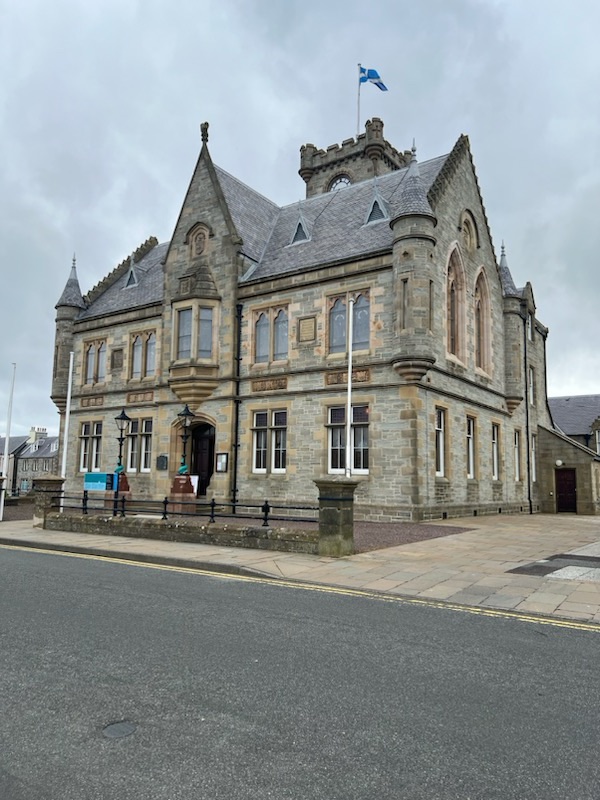
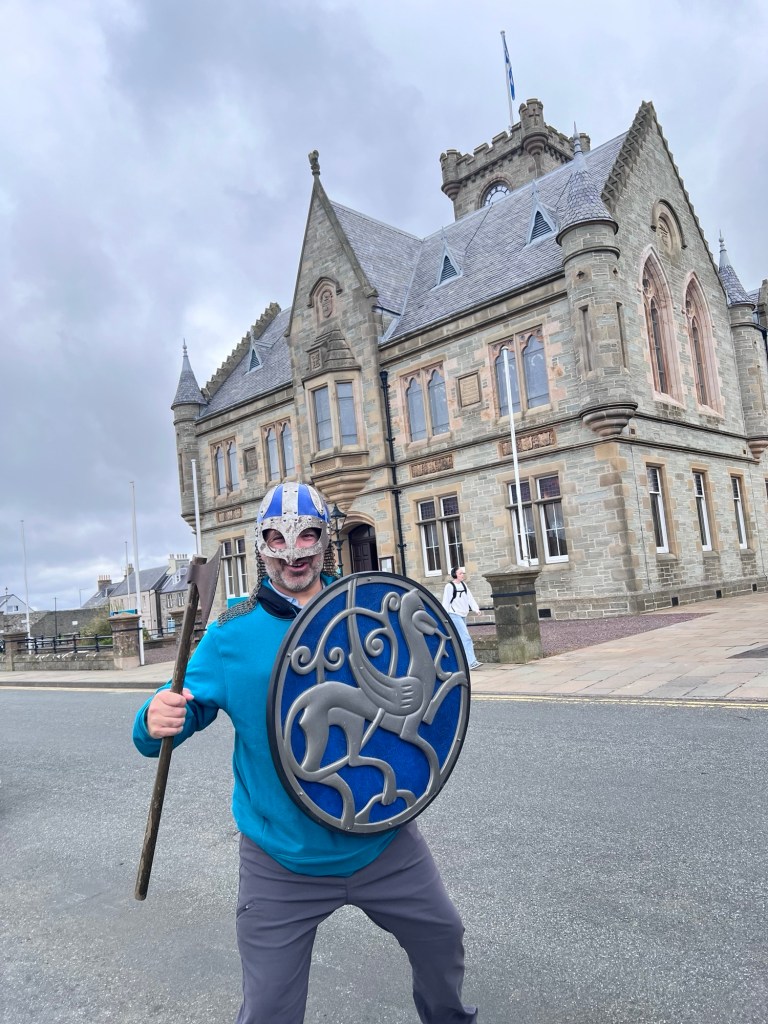
Prior to our cruise we had arranged a tour of the area with Grant who runs Shetland Minibus Tours. Our first stop was Lerwick Town Hall which was built in 1883. Once there we got a brief history of the annual Fire Festival held in January. Up Helly Aa is a 24-hour festival held on the last Tuesday of the month to celebrate their history and Norse heritage. We even got to try on a Viking helmet, shield and wield an ax.
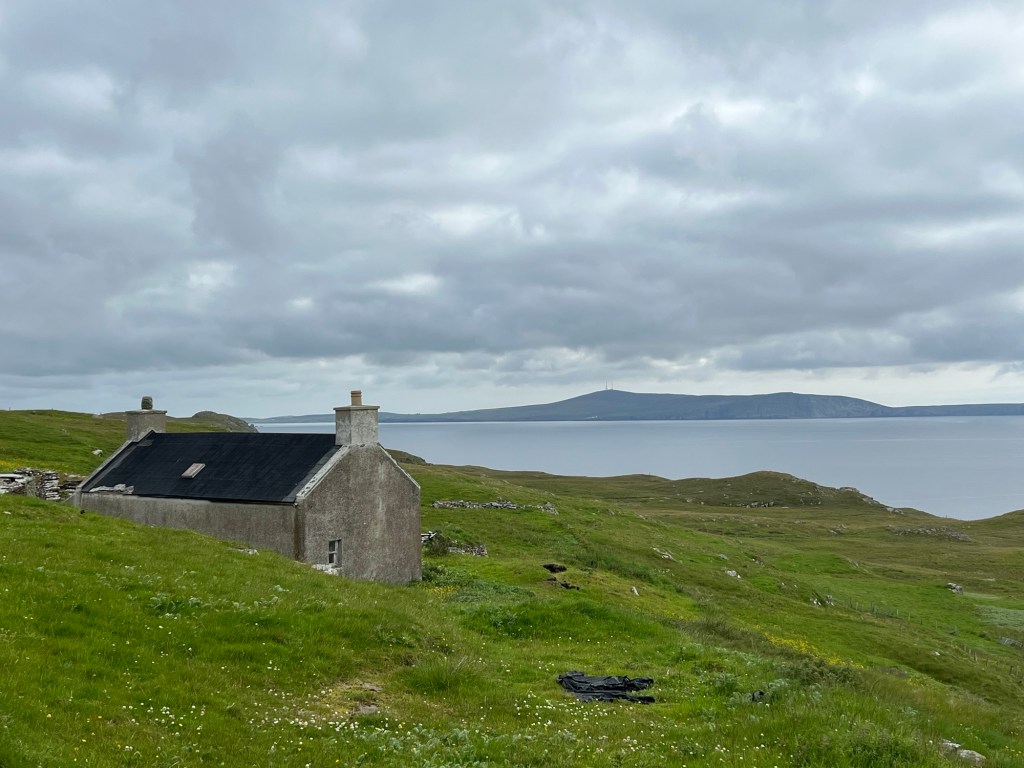
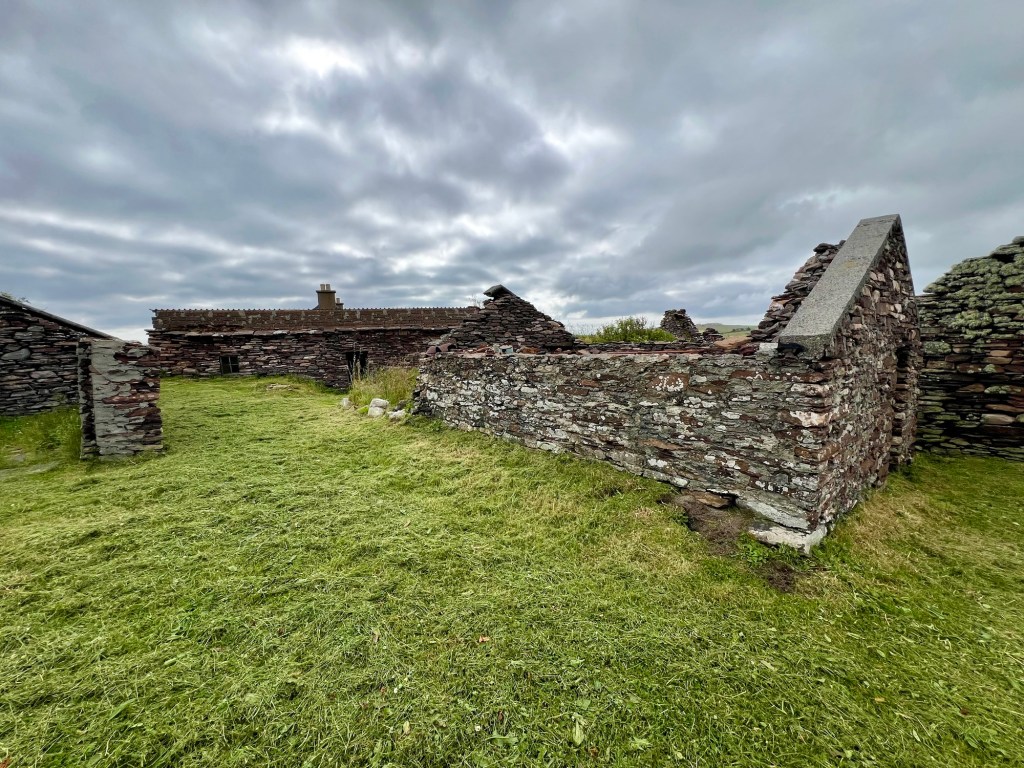
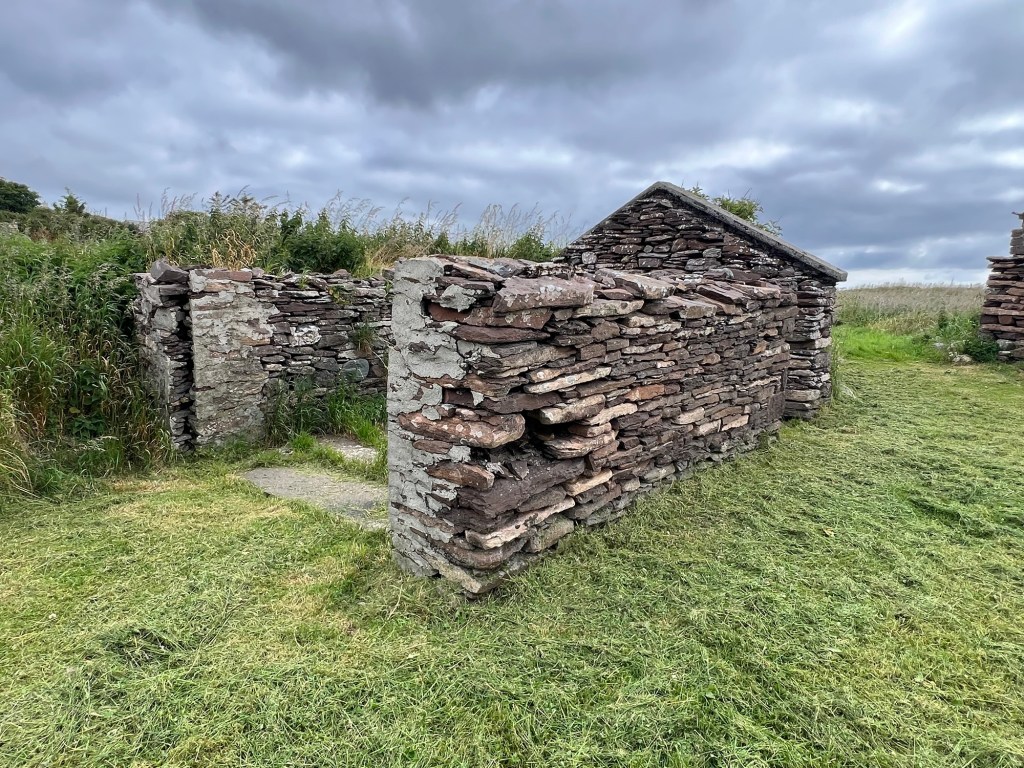
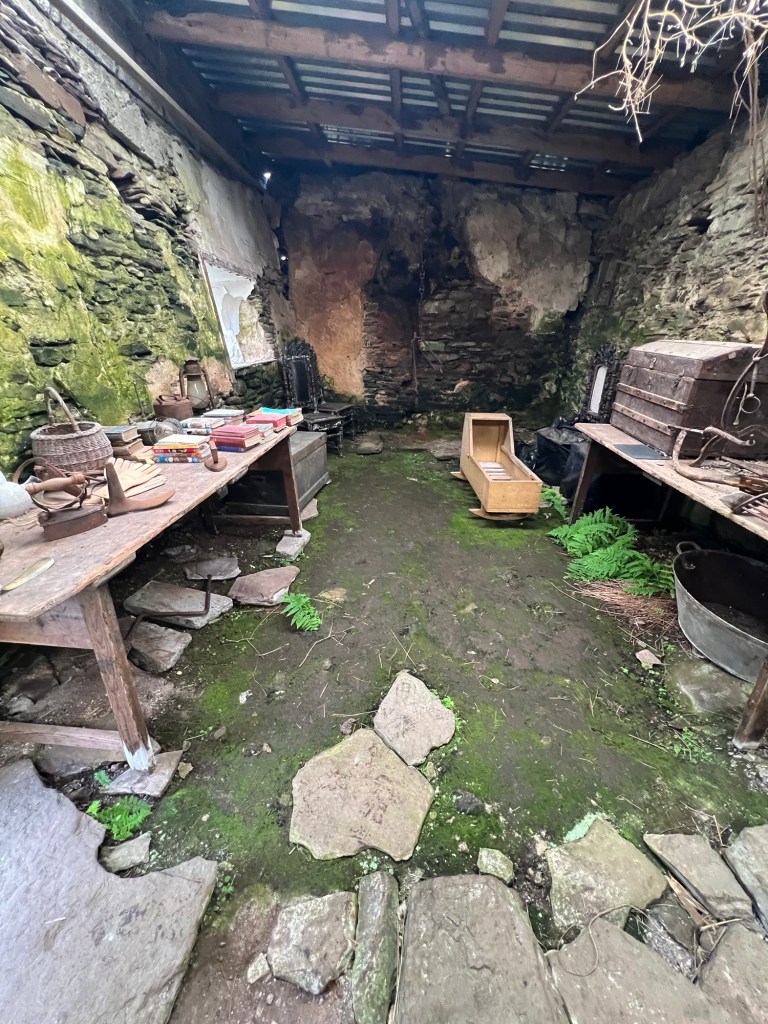
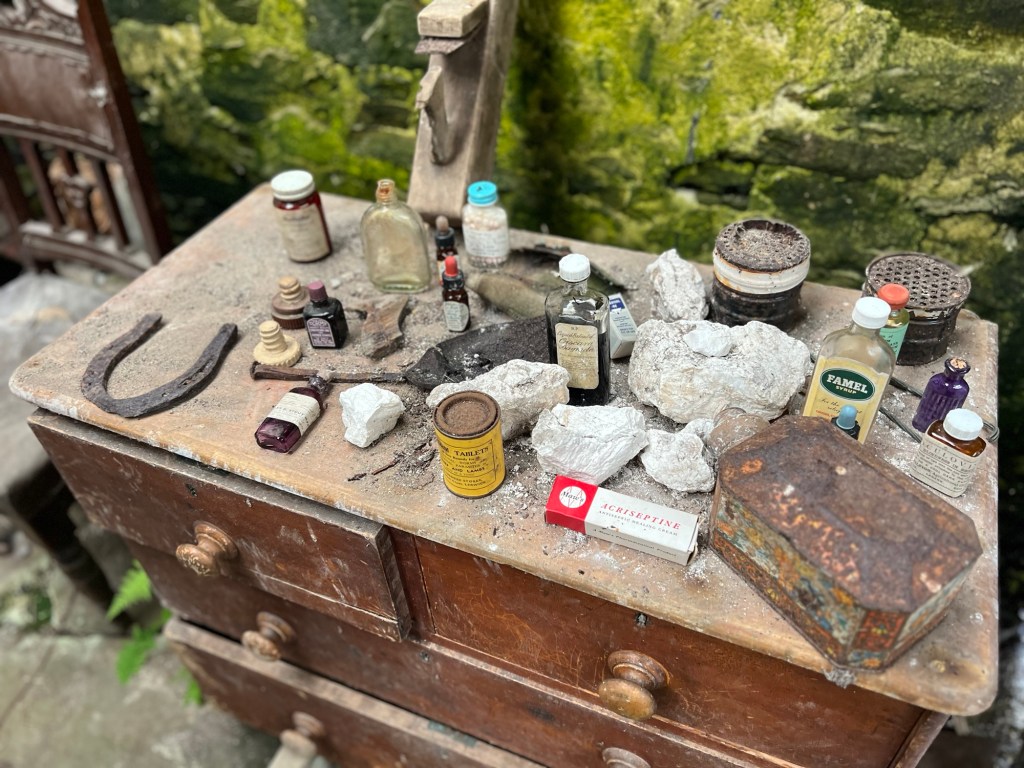
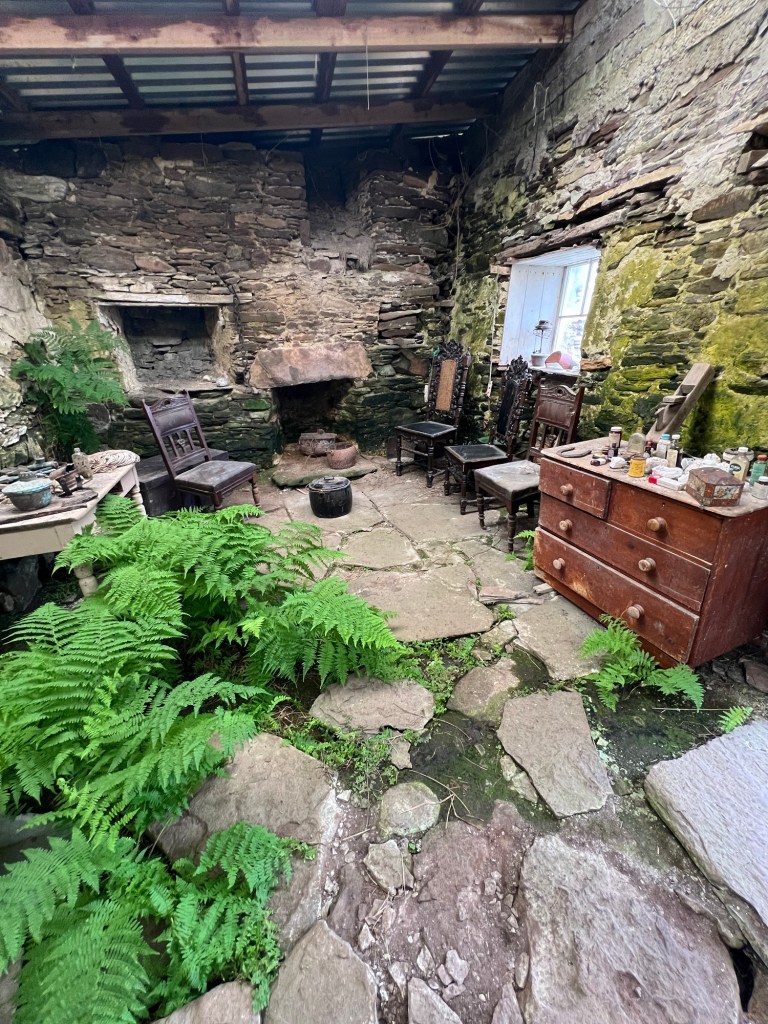
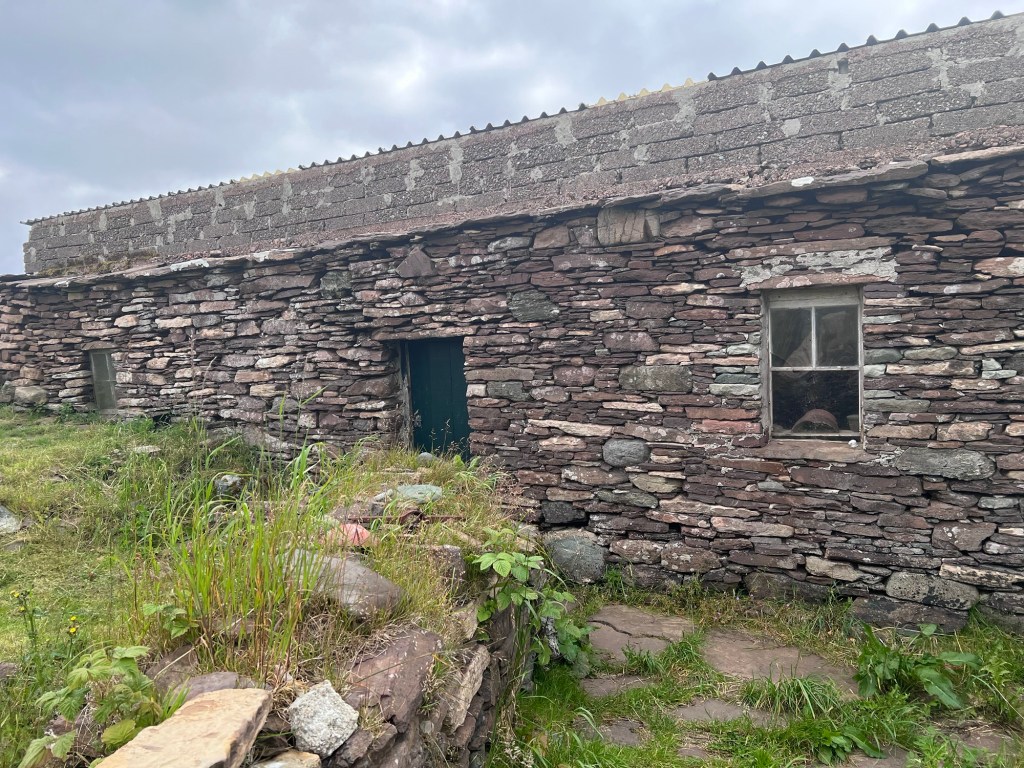
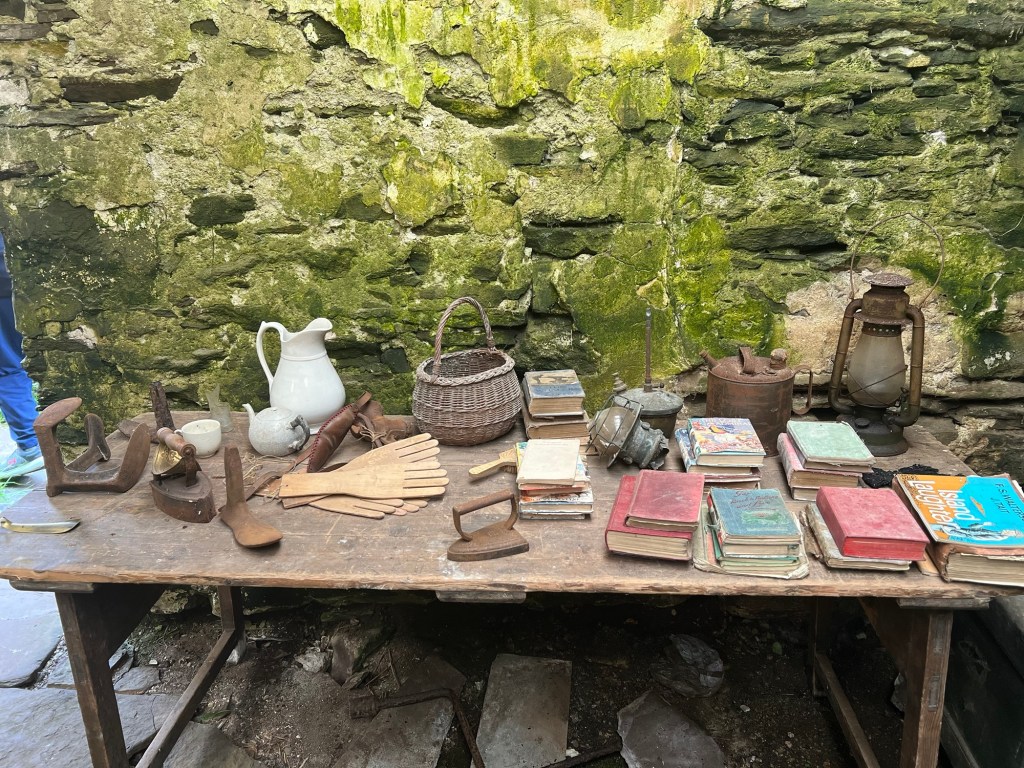
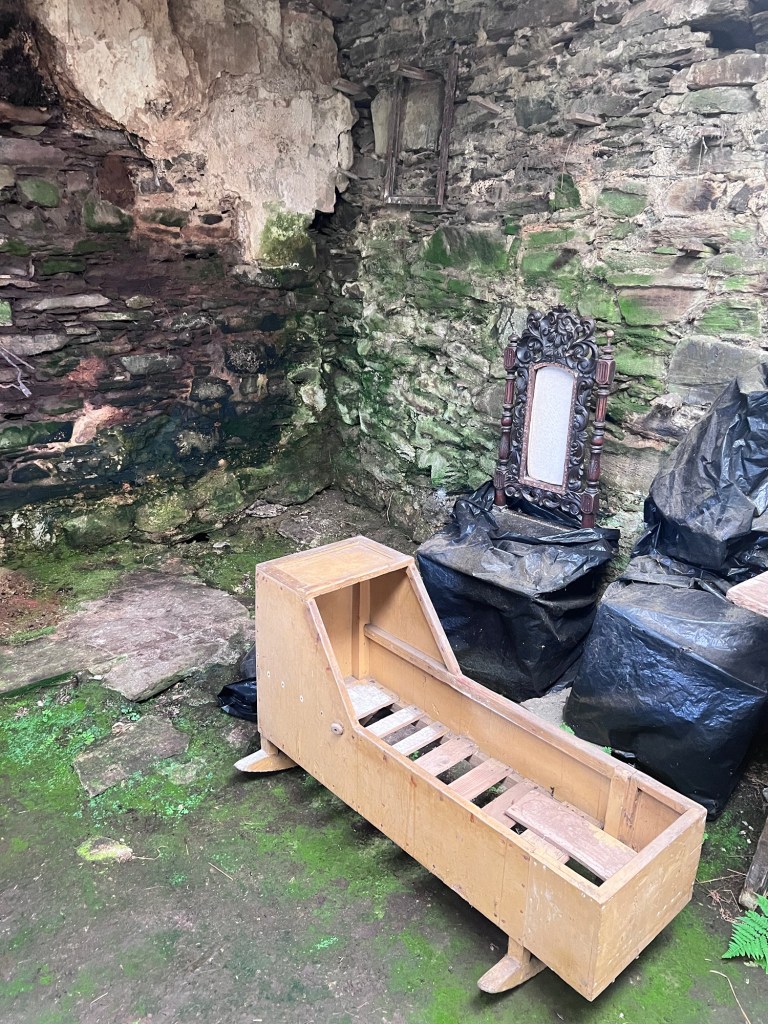
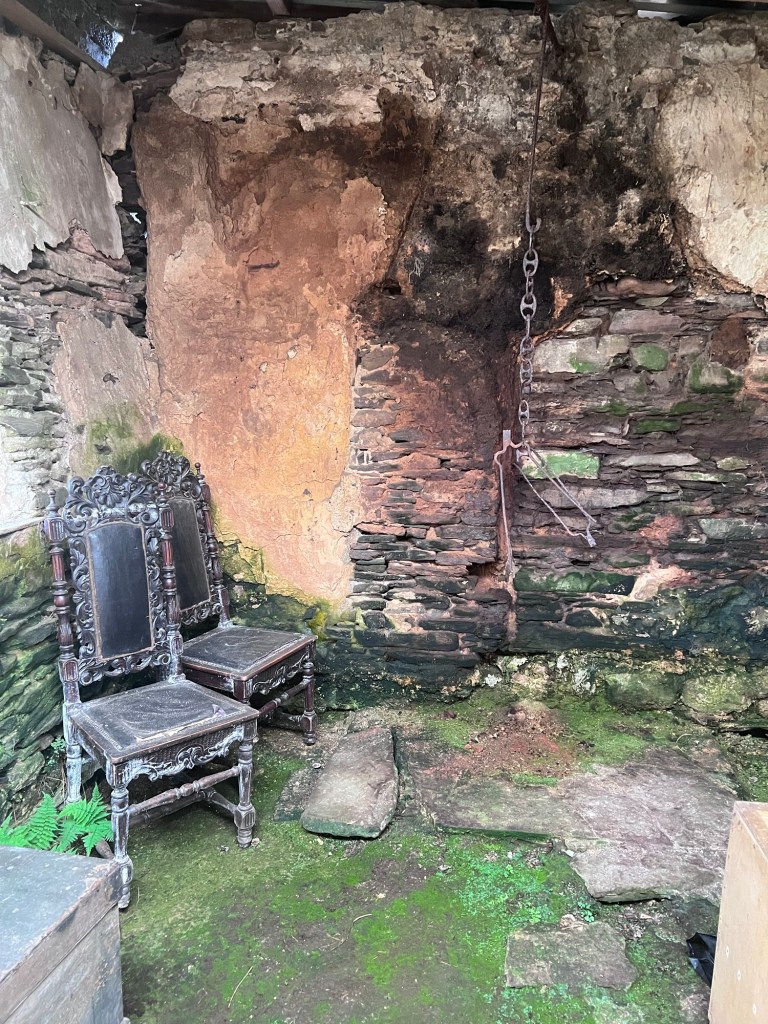
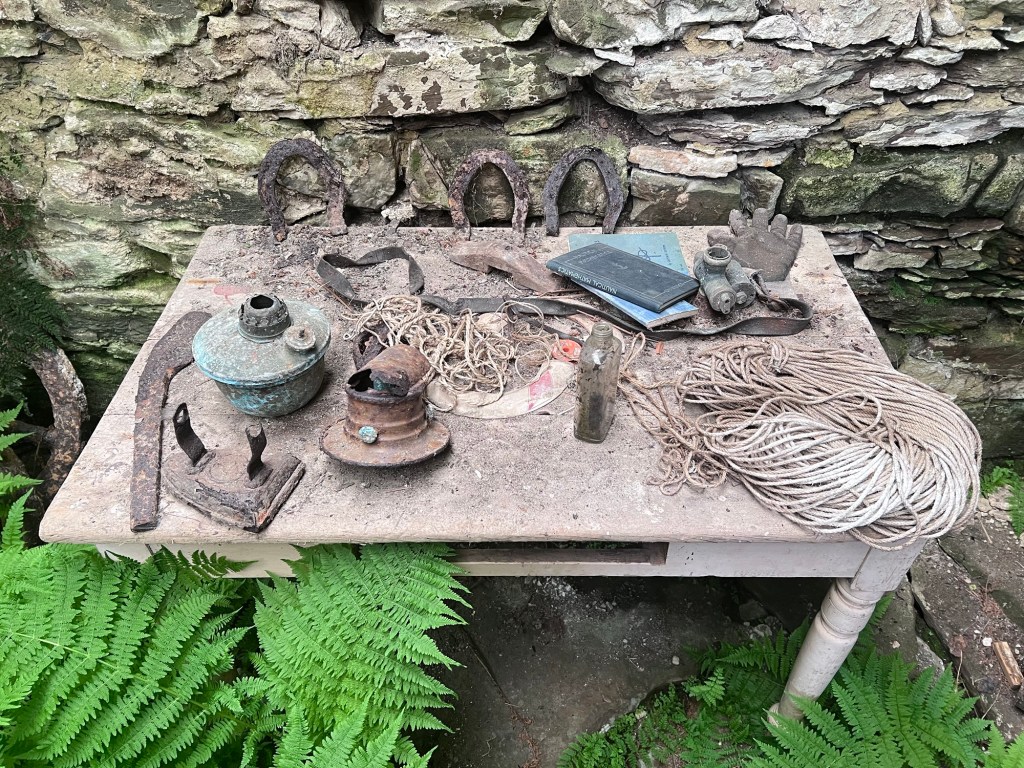
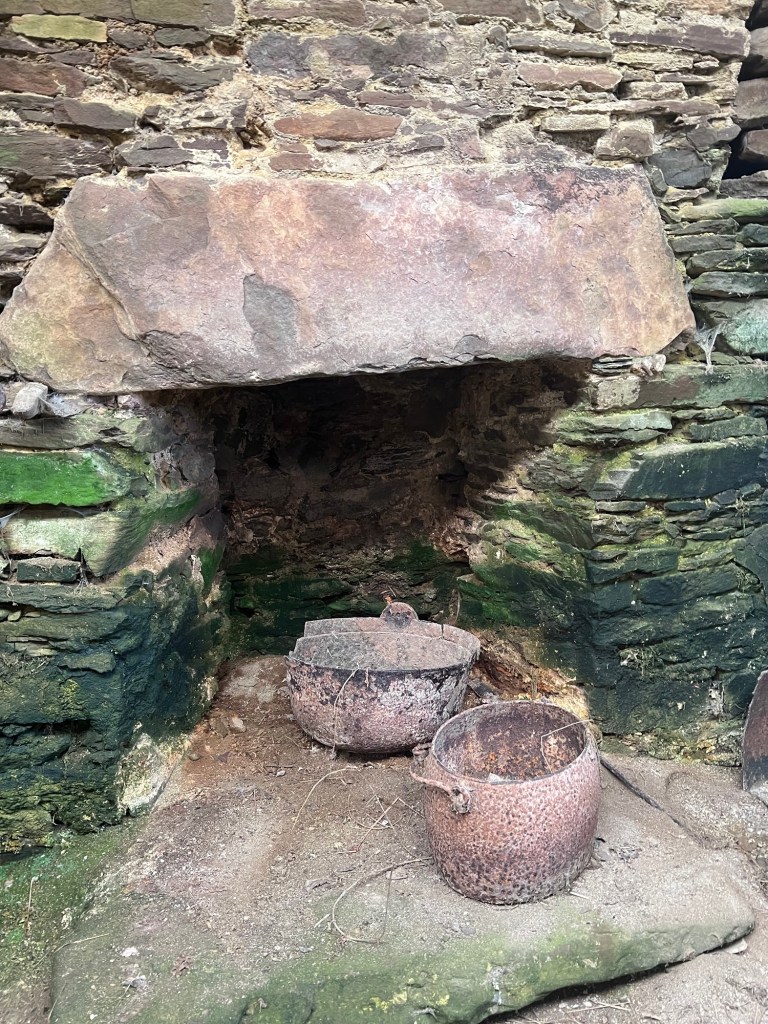
Our next stop was a visit to a 300-year-old house where we learned about the Scottish way of life dating back to the 1700s. Walking inside you realize how rough life was and how that you would not have any personal space. Everything centered around the fireplace and kitchen. The climate is very wet, windy and cold. There isn’t a lot of trees and lumber so peat is used for heating purposes, but requires you to carve it out then dry it.
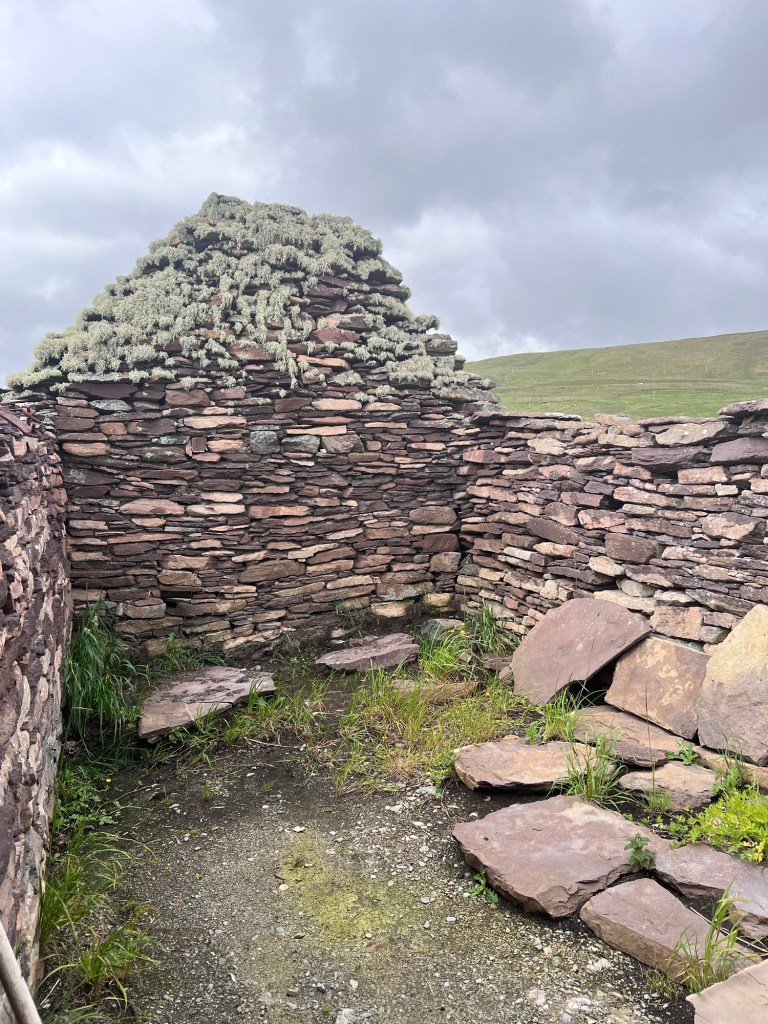
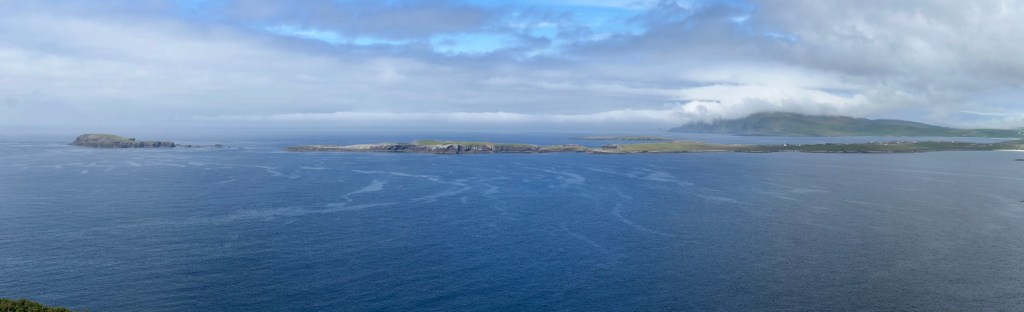
Close by we got to see the Mousa Broch, the oldest preserved broch in the world, which dates back to 300 BC.This 2,000 year old round tower, from the Iron Age, stands 40ft tall on an island hasn’t been inhabited since the 1890’s.
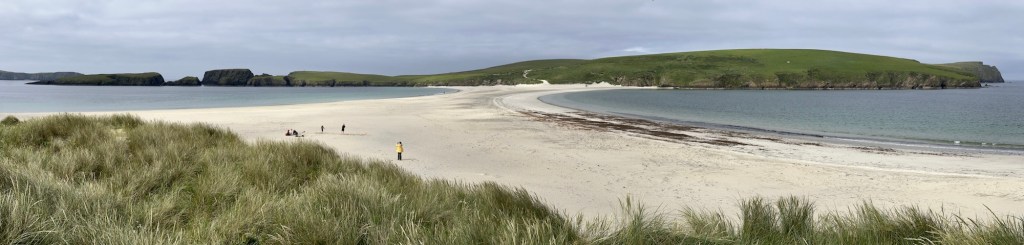
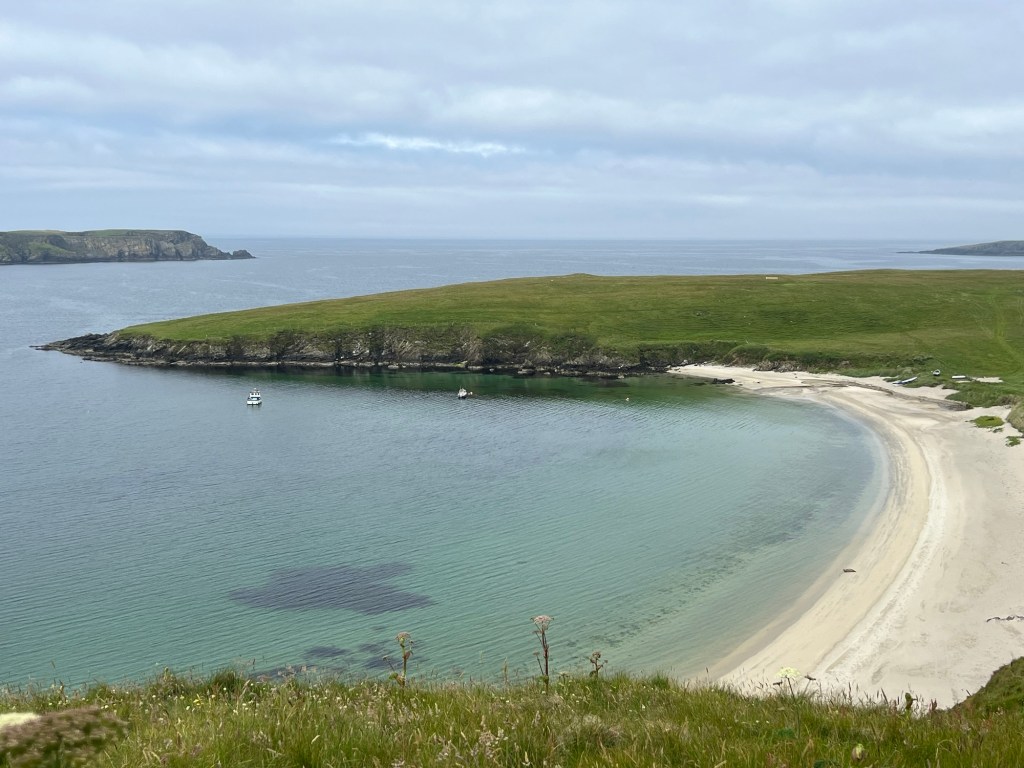
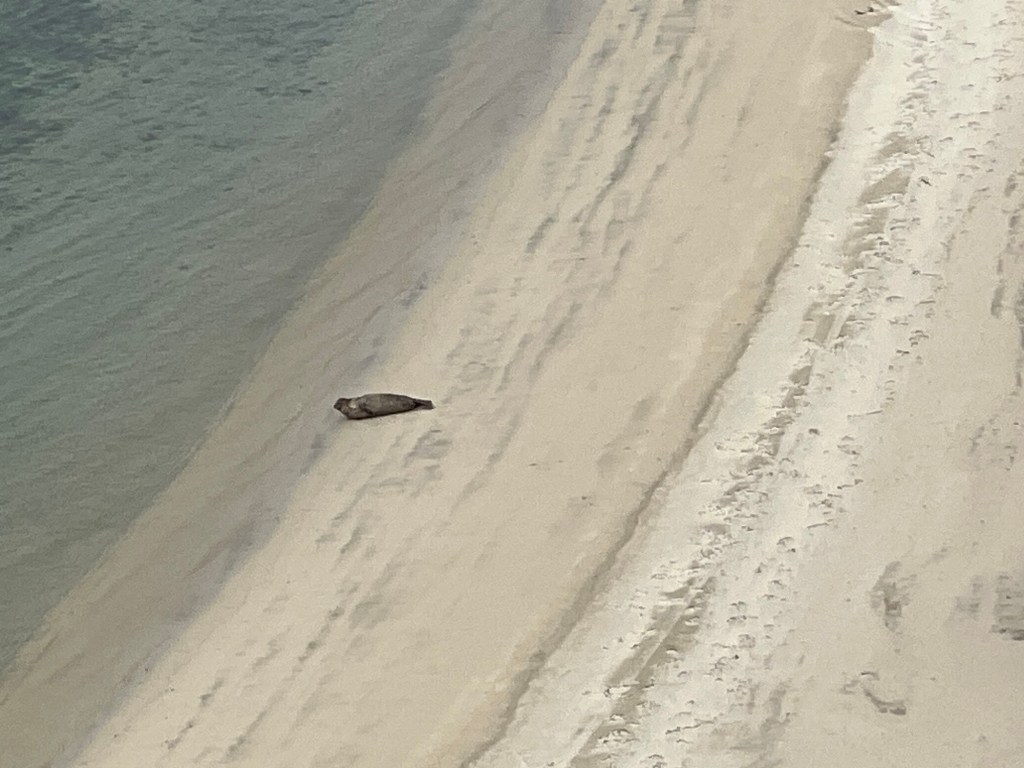
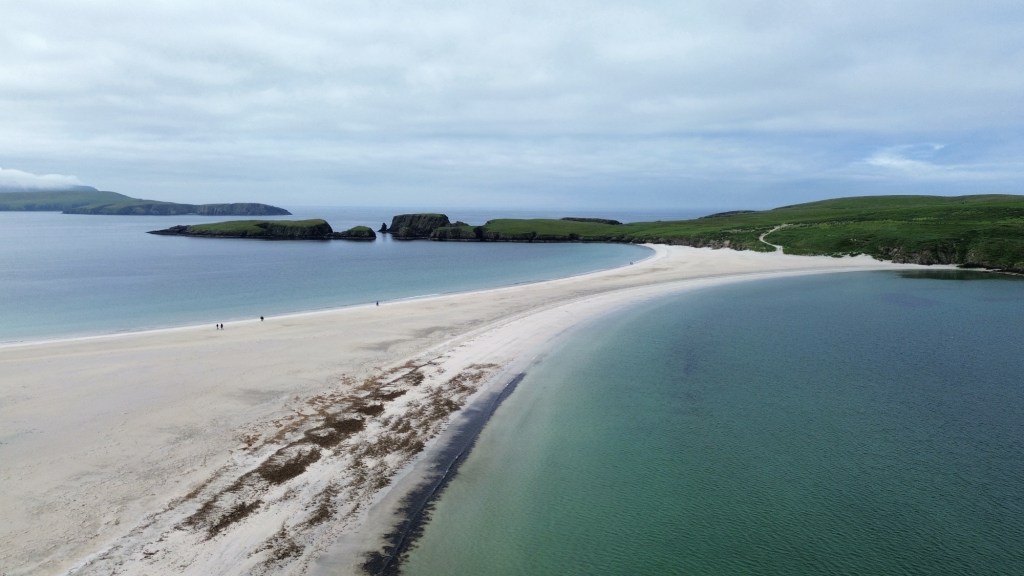
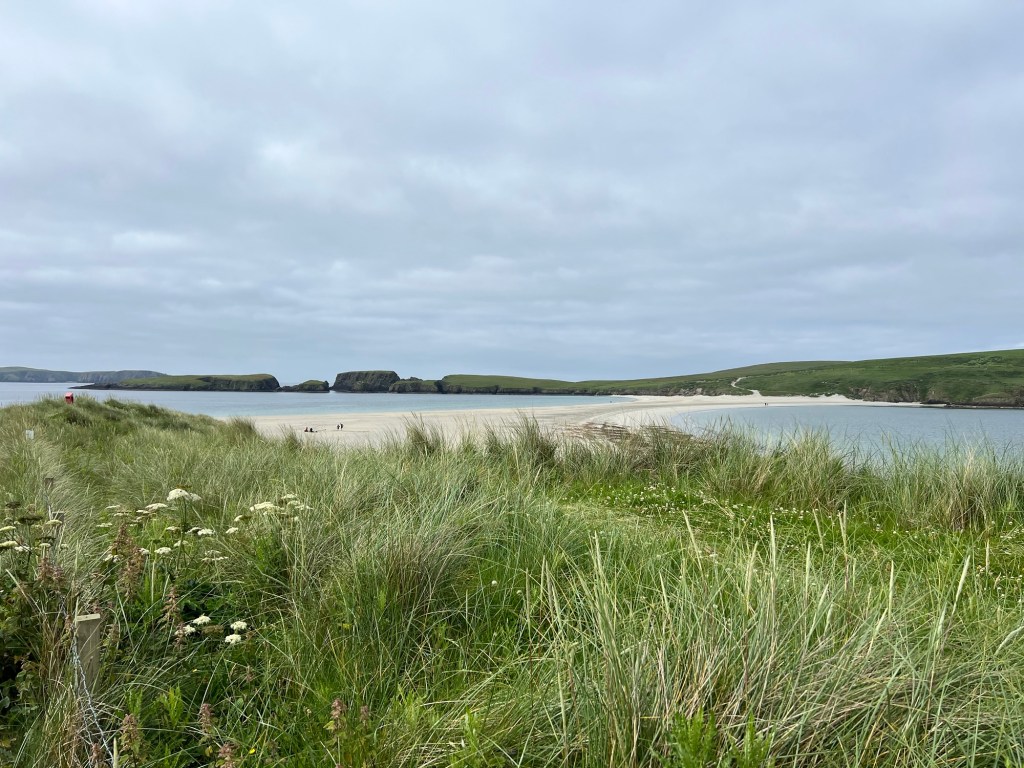
For a change of scenery we took in St. Ninian’s Islebeach, a large tombolo (a natural sand causeway with sea on either side) on the west coast of Shetland, which links the South Mainland with the Isle. We also got to see a lone sea lion sunbathing on the beach.
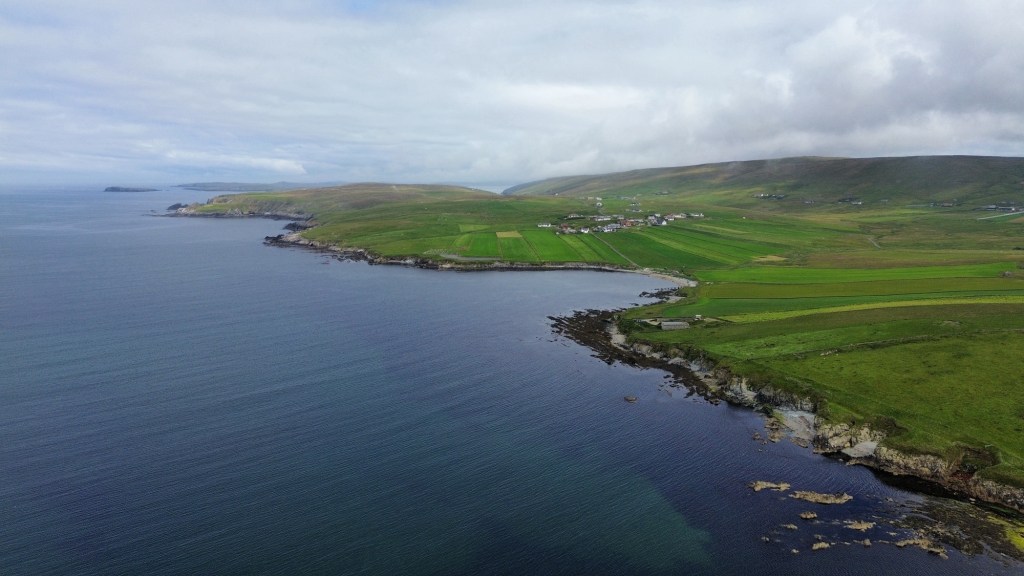
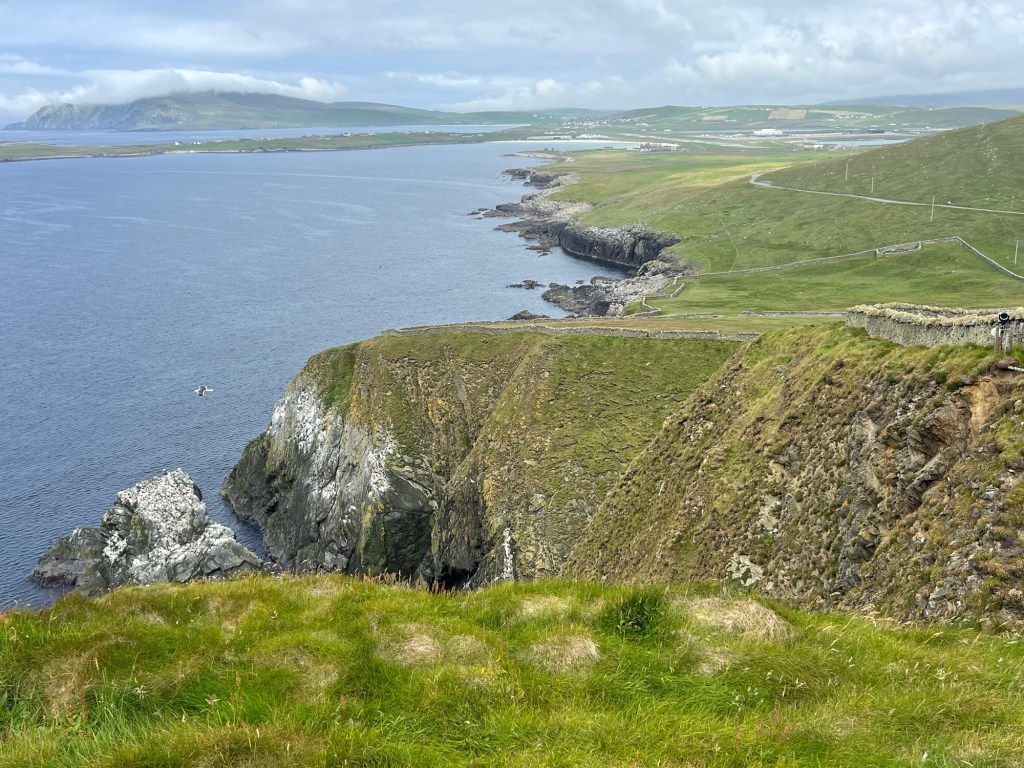
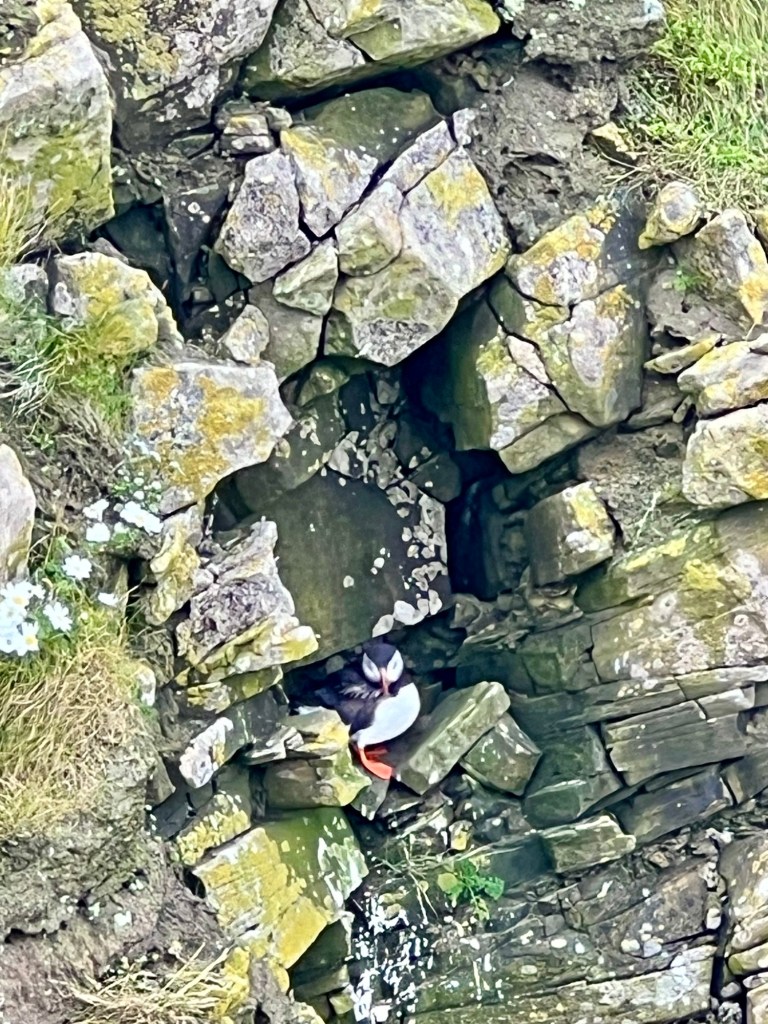
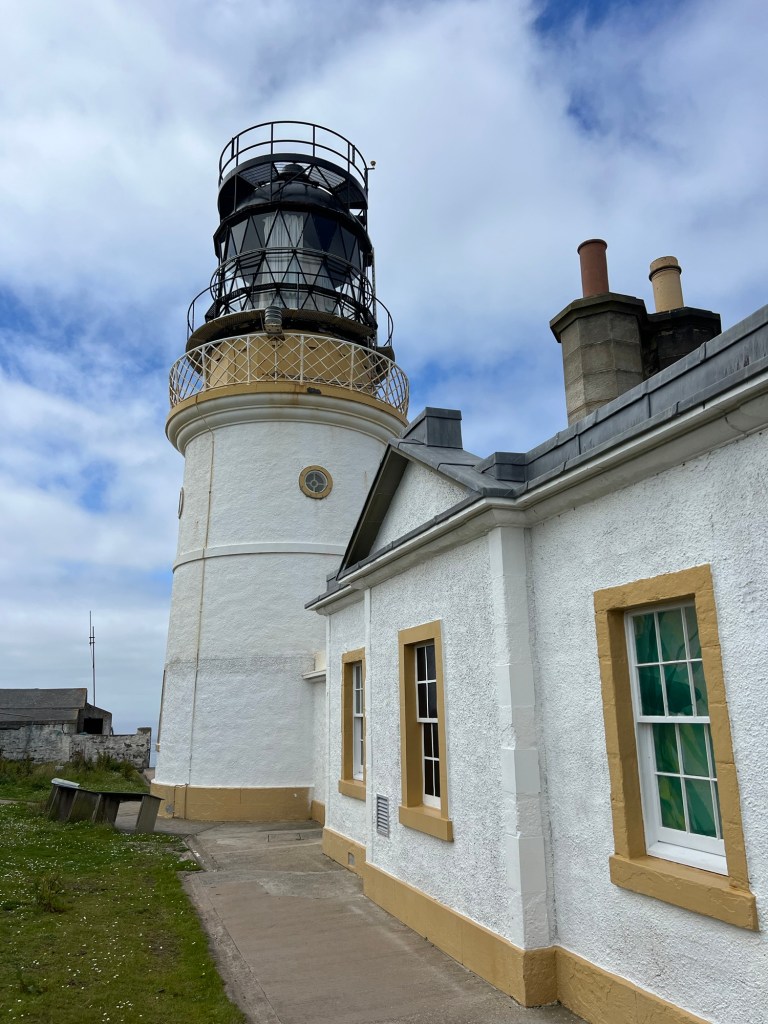
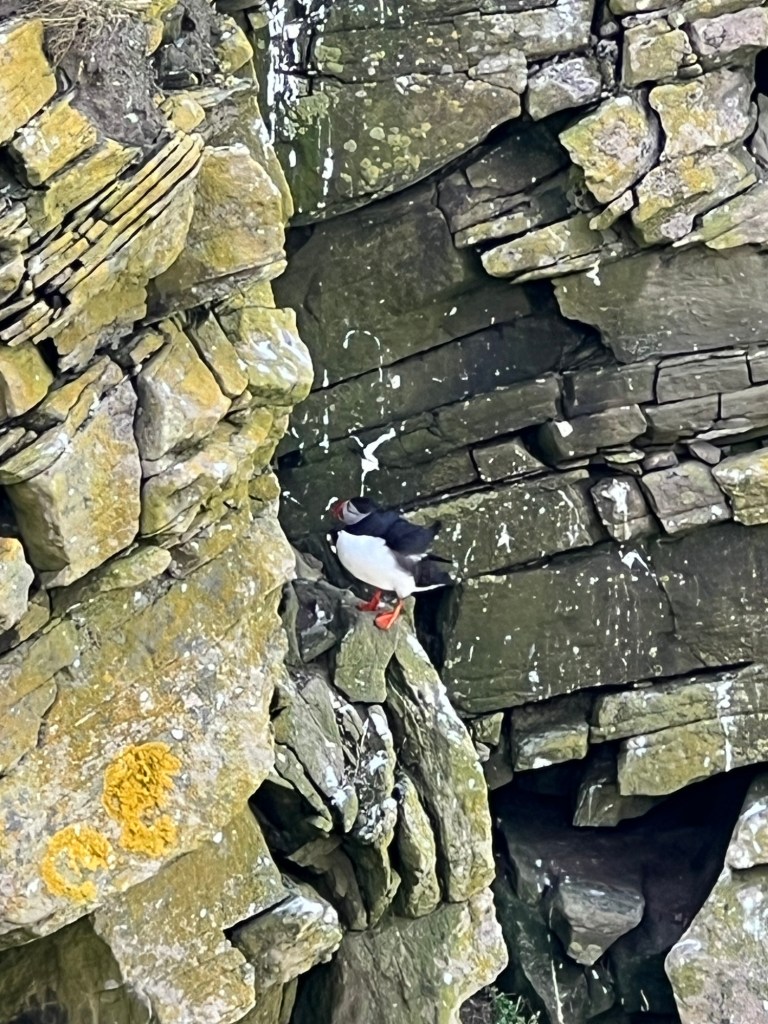
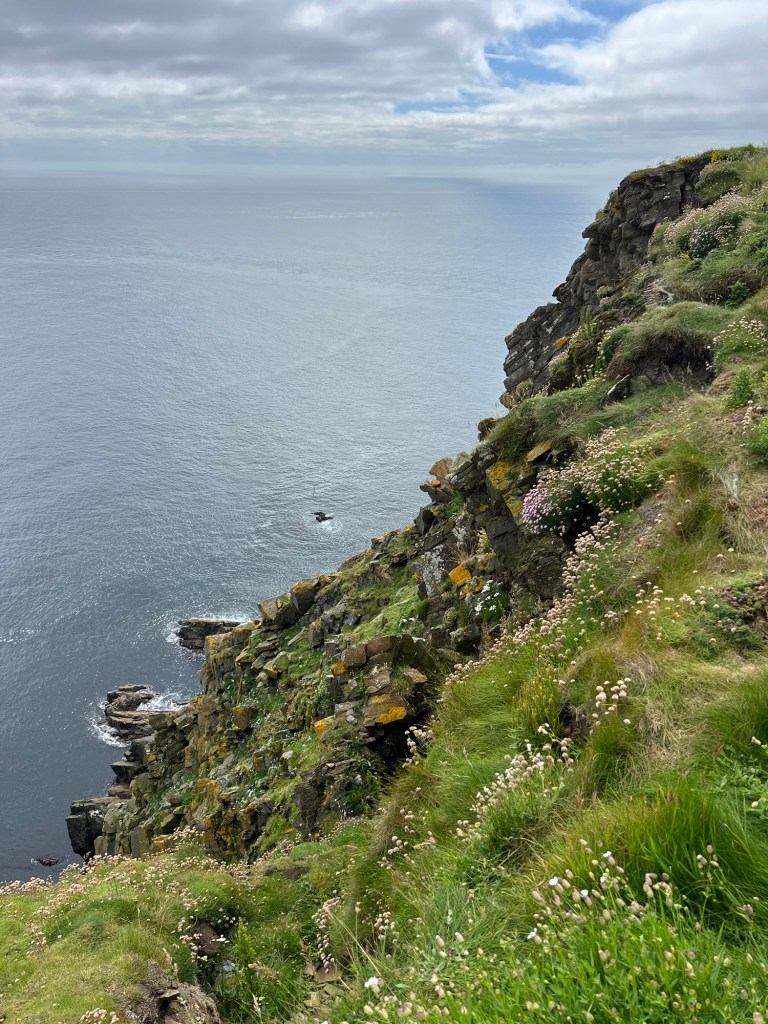
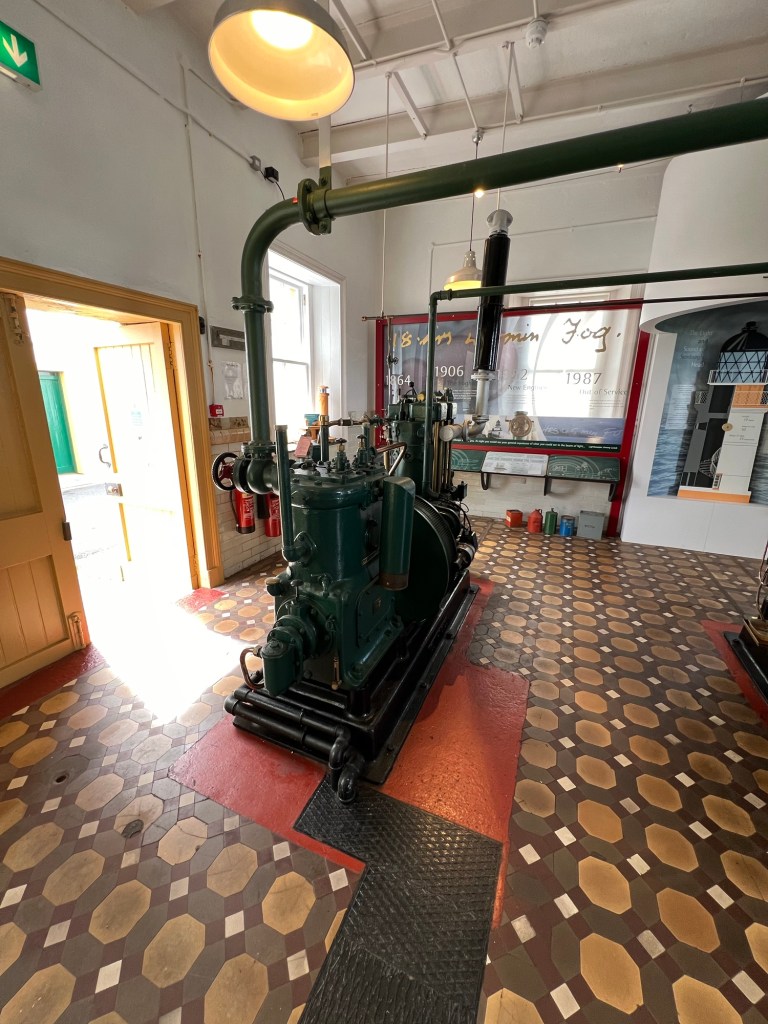
Next up was a visit to the towering cliffs of Sumbrugh Head, we were able to catch a glimpse of some puffins nesting in the rocks. At the top of the cliffs sat the Sumbrugh Lighthouse which was opened in 1821. During WW2 the lighthouse also served as was a Scottish radio station. Due to some early detection on the radios they helped secure defeats against Germans.

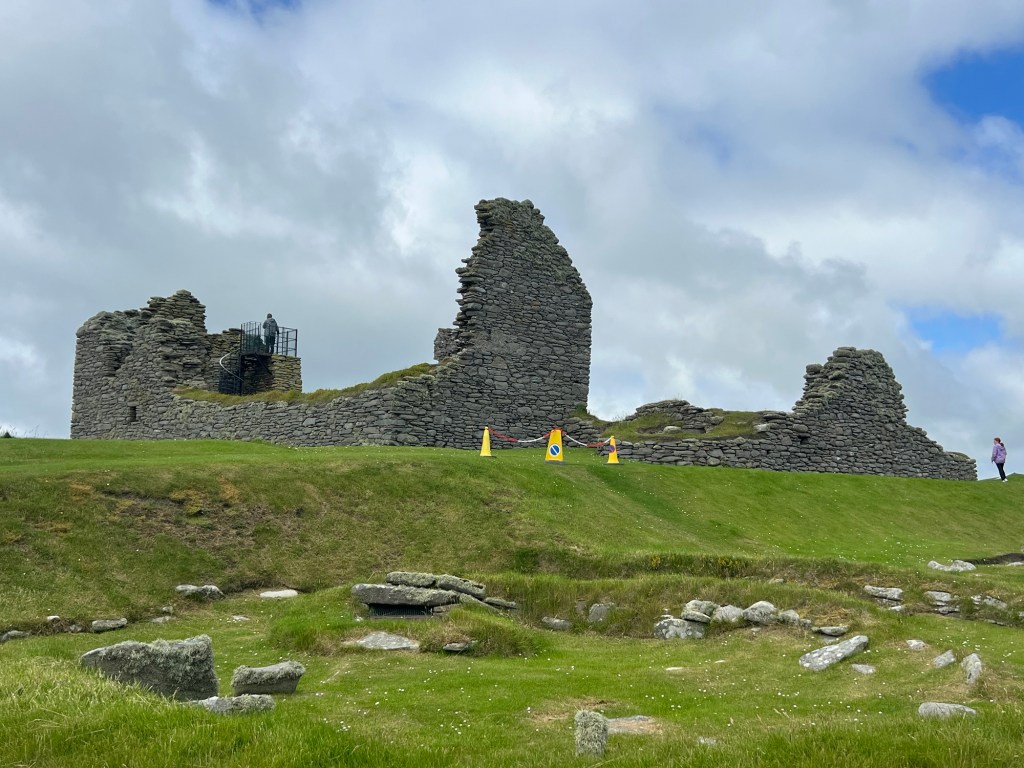
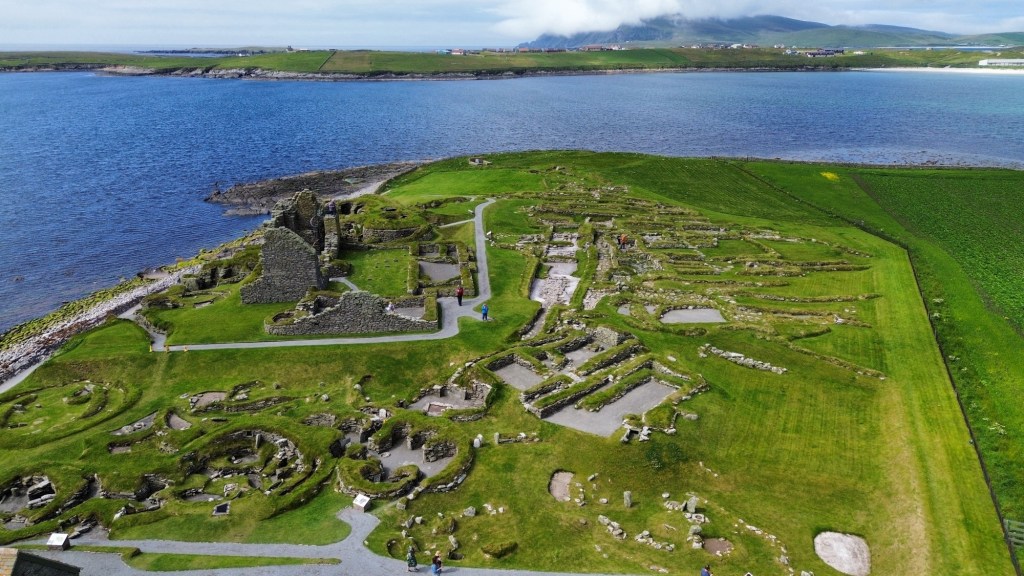
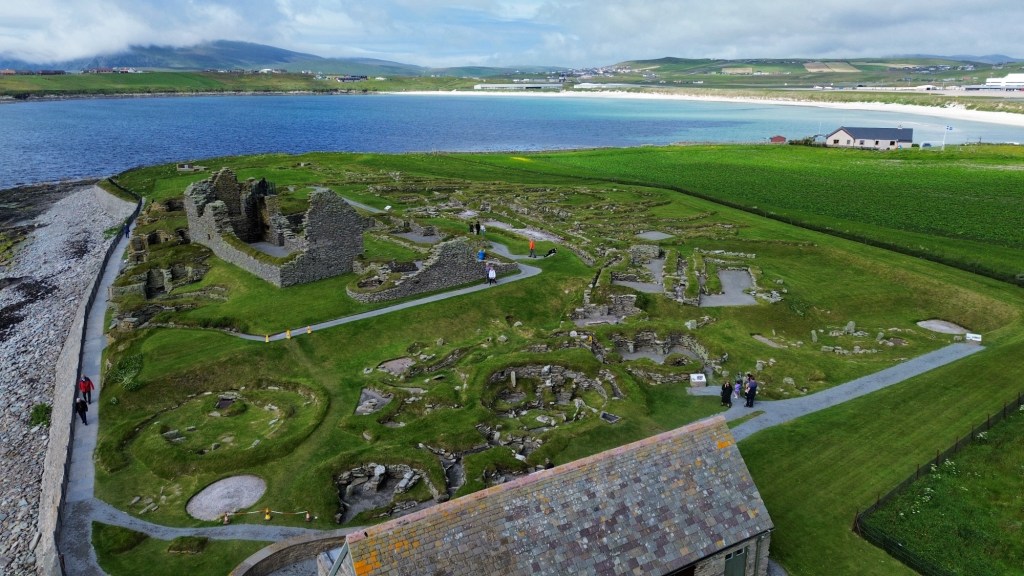
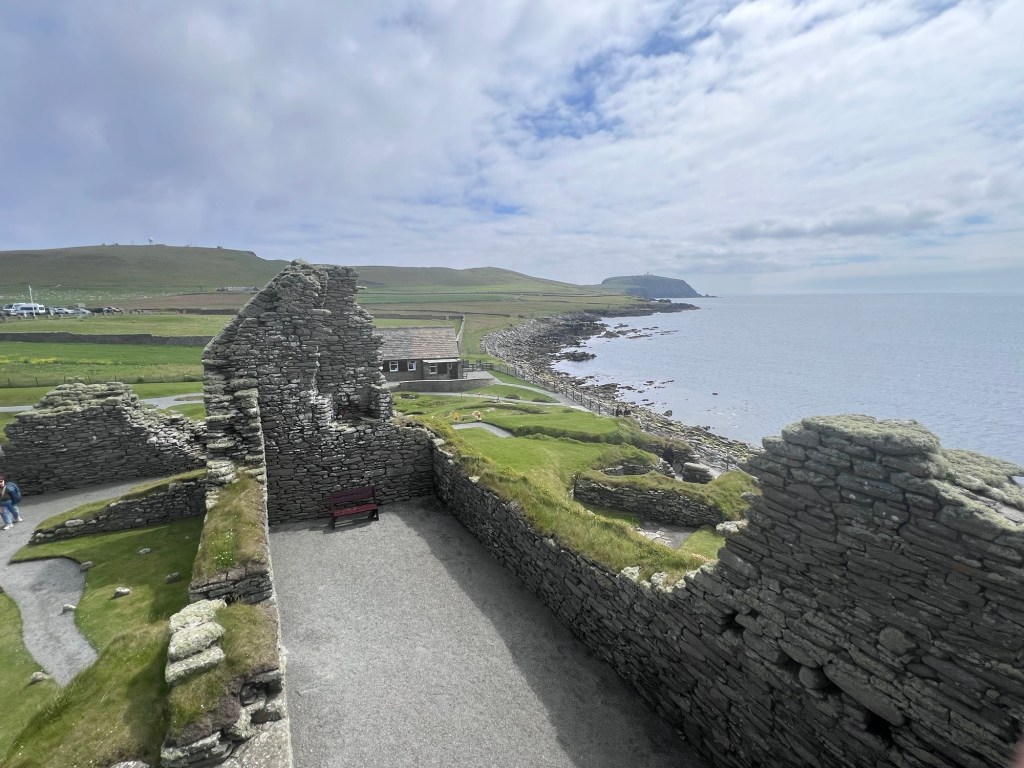
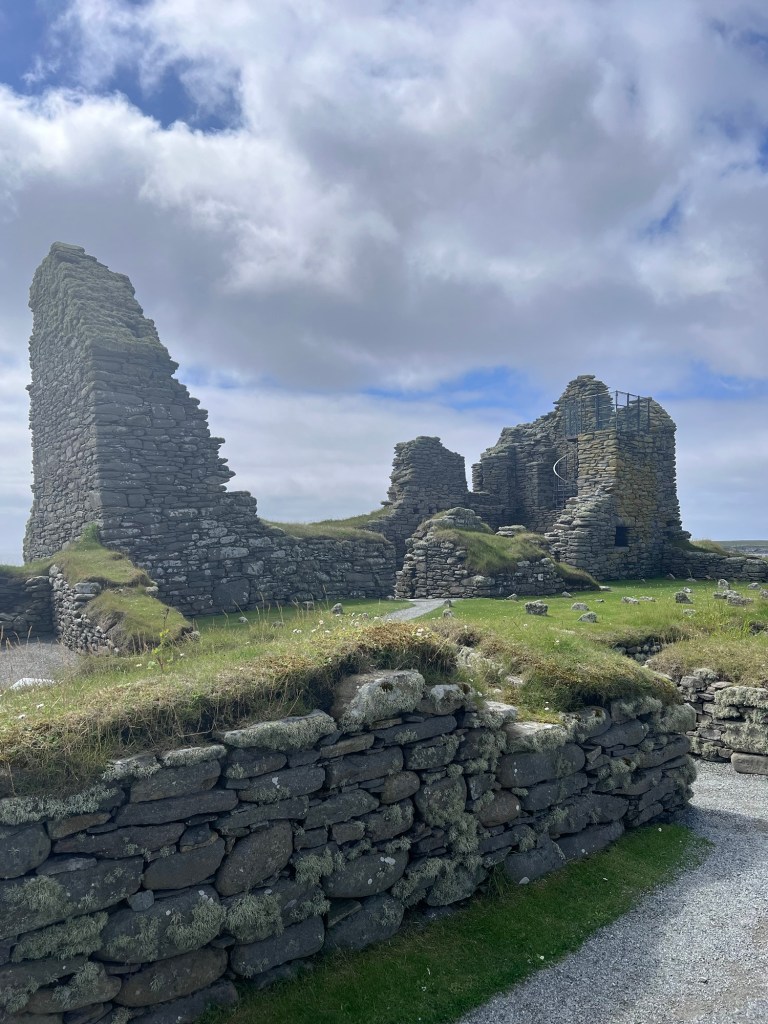
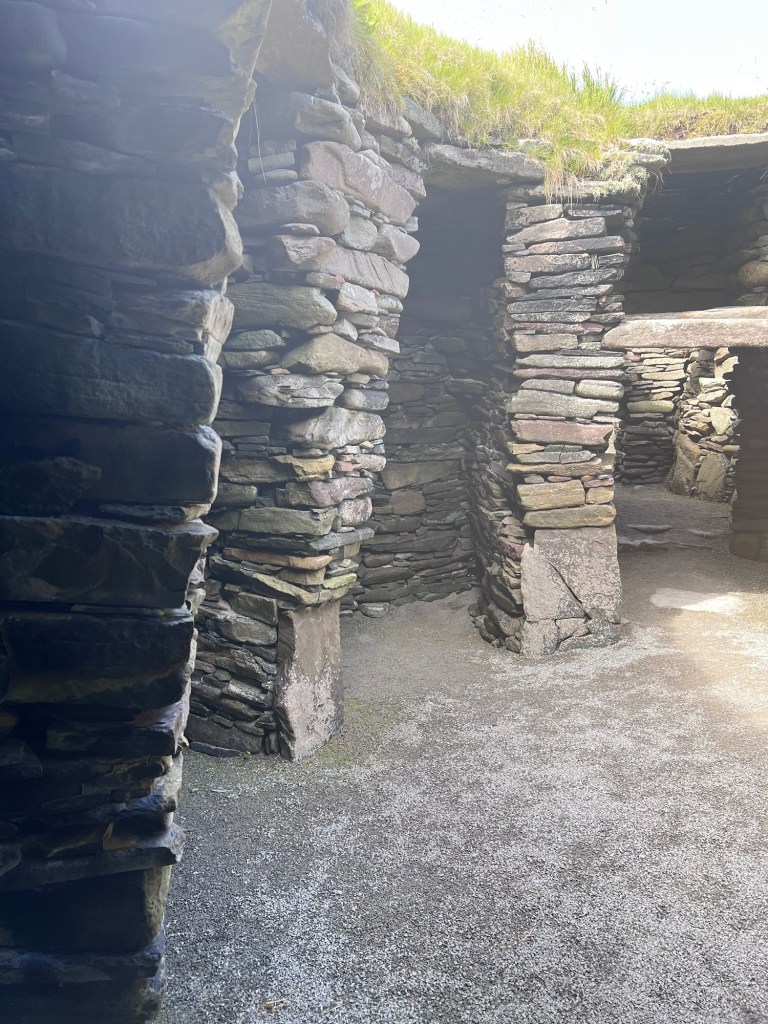
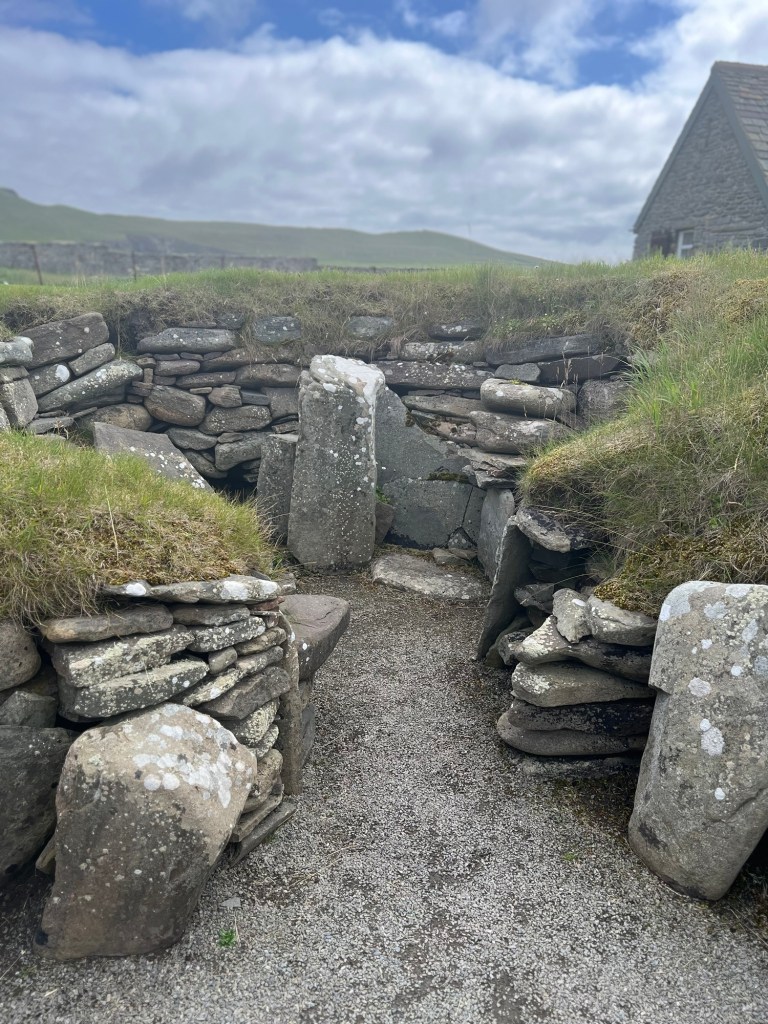
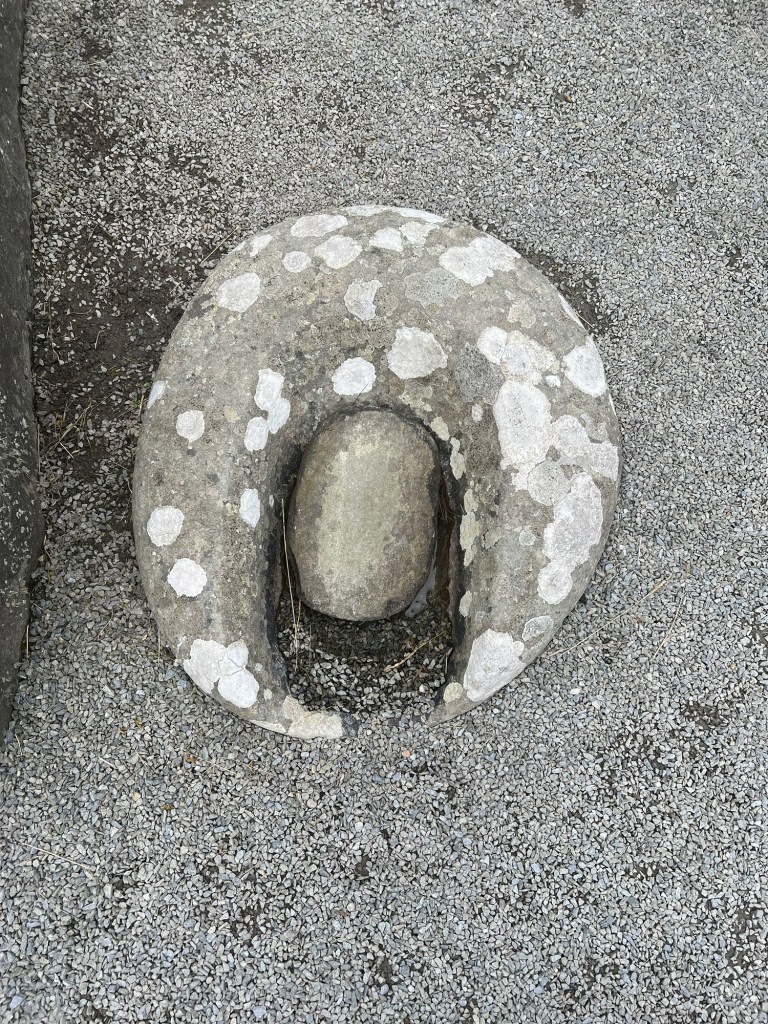
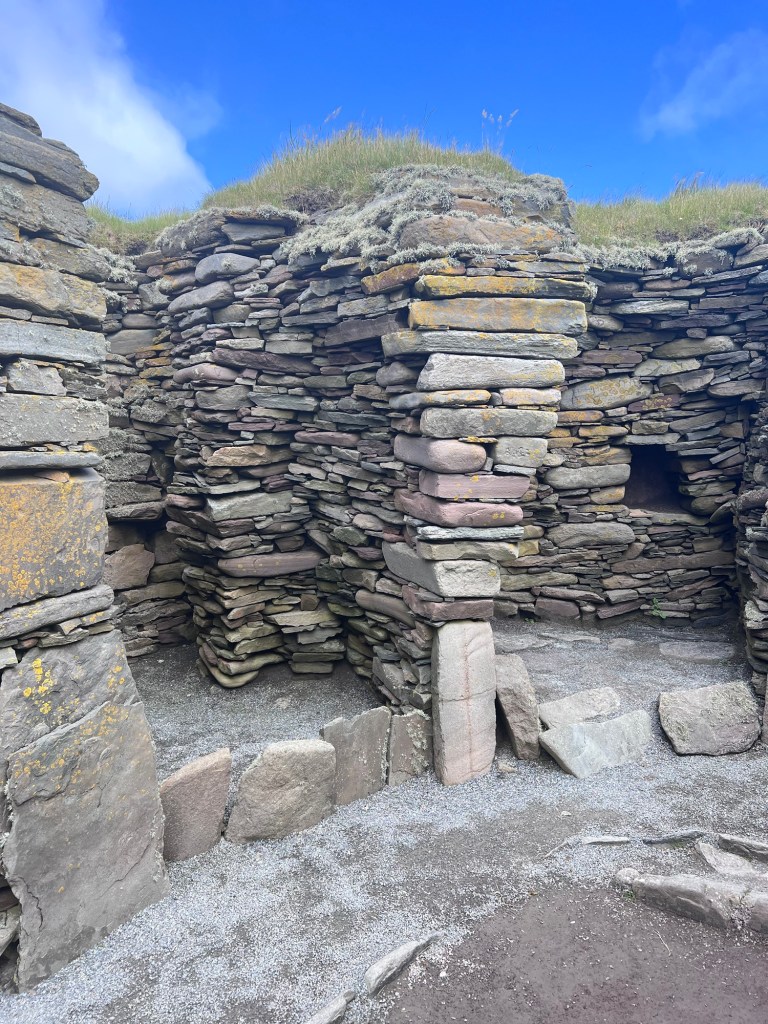
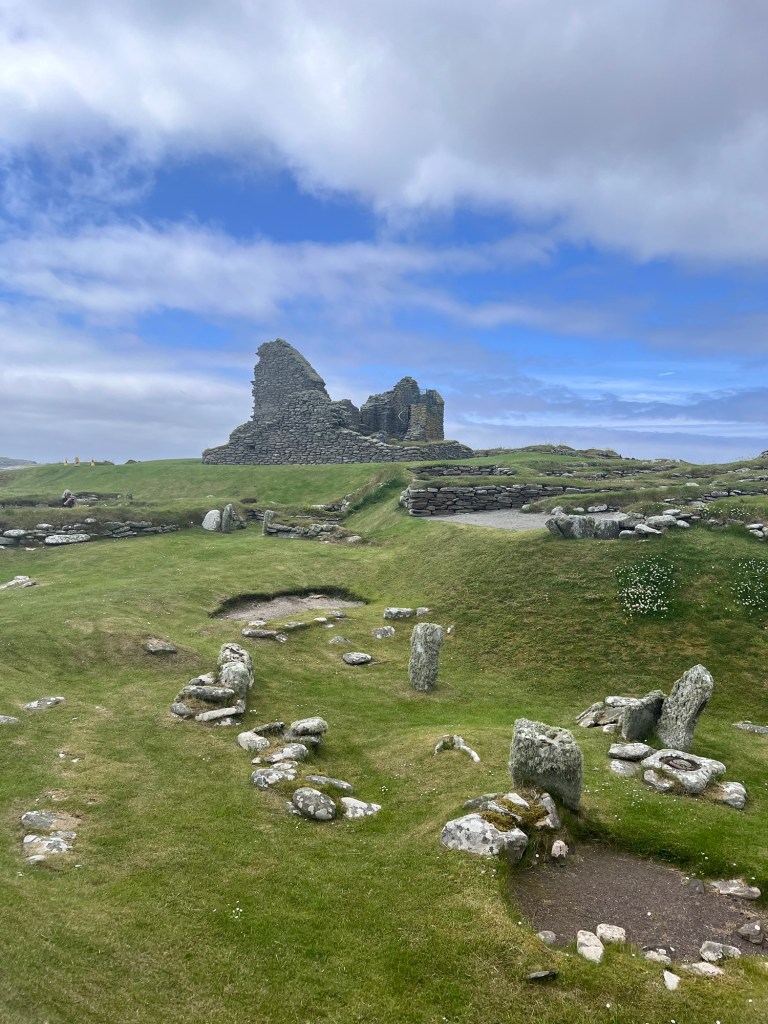
Our final stop was the Jarlshof Prehistoric and Norse Settlement. This site has a complex of ancient settlements which cover more than 4,000 years of human history. It was incredible to see such a range of archaeological treasures in one place, including late Neolithic houses, a Bronze Age village, an Iron Age broch and wheelhouses, a Norse longhouse, a medieval farmstead and a 16th century laird’s house. Seeing and walking through different settlements was awe inspiring.

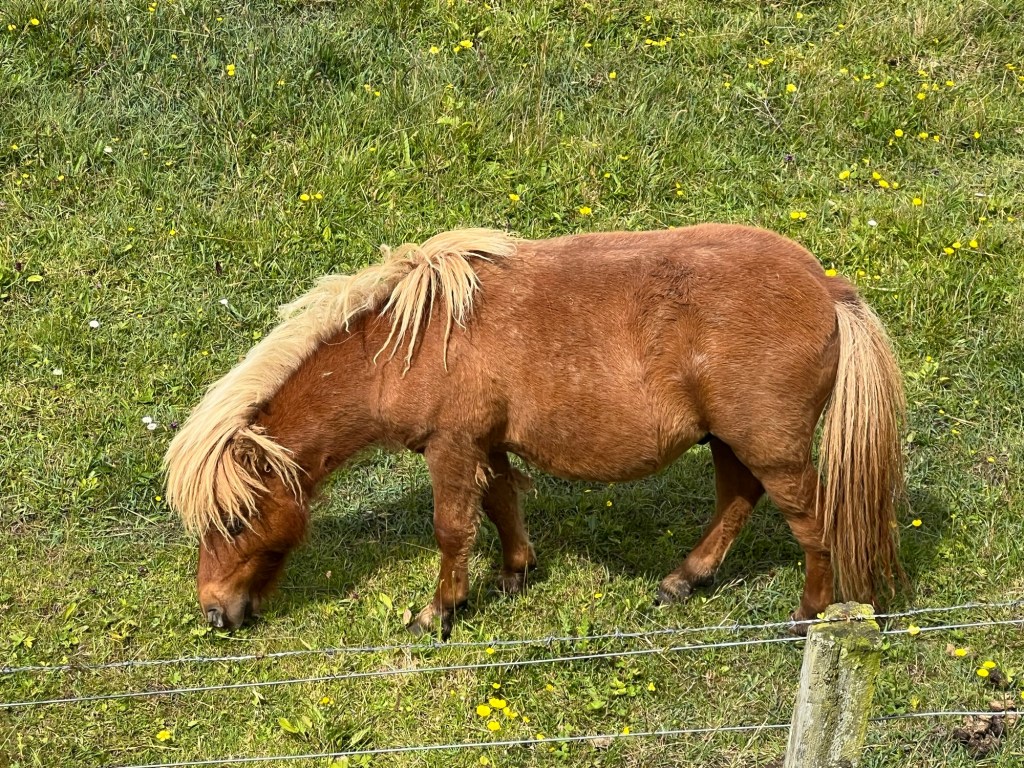
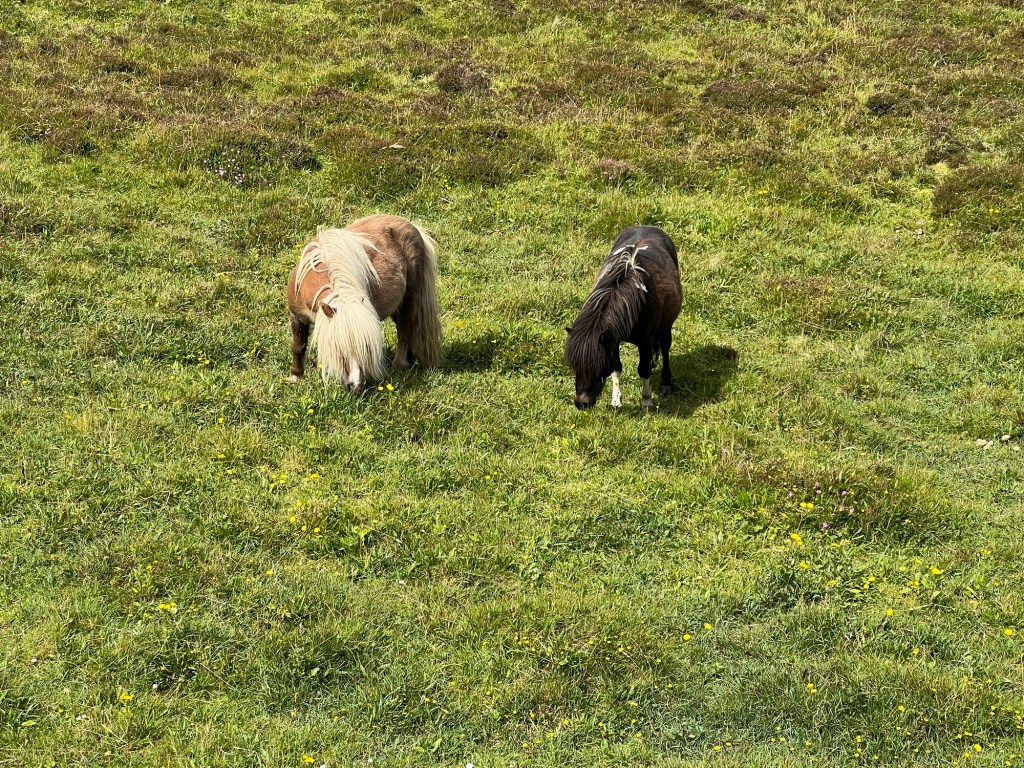
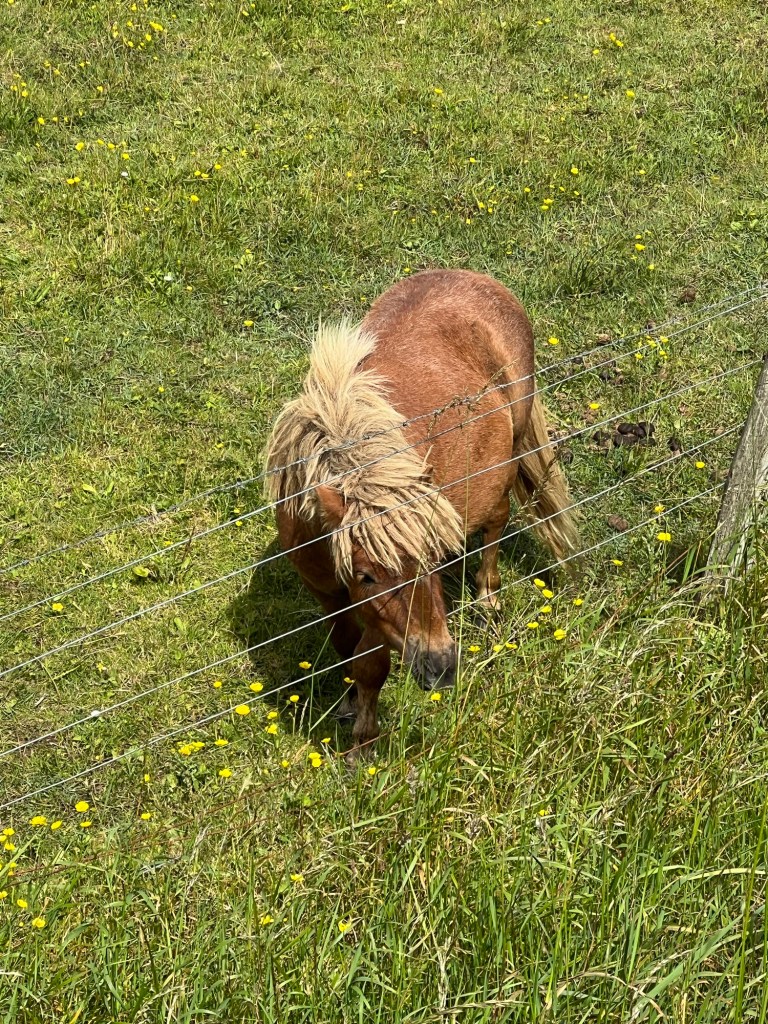
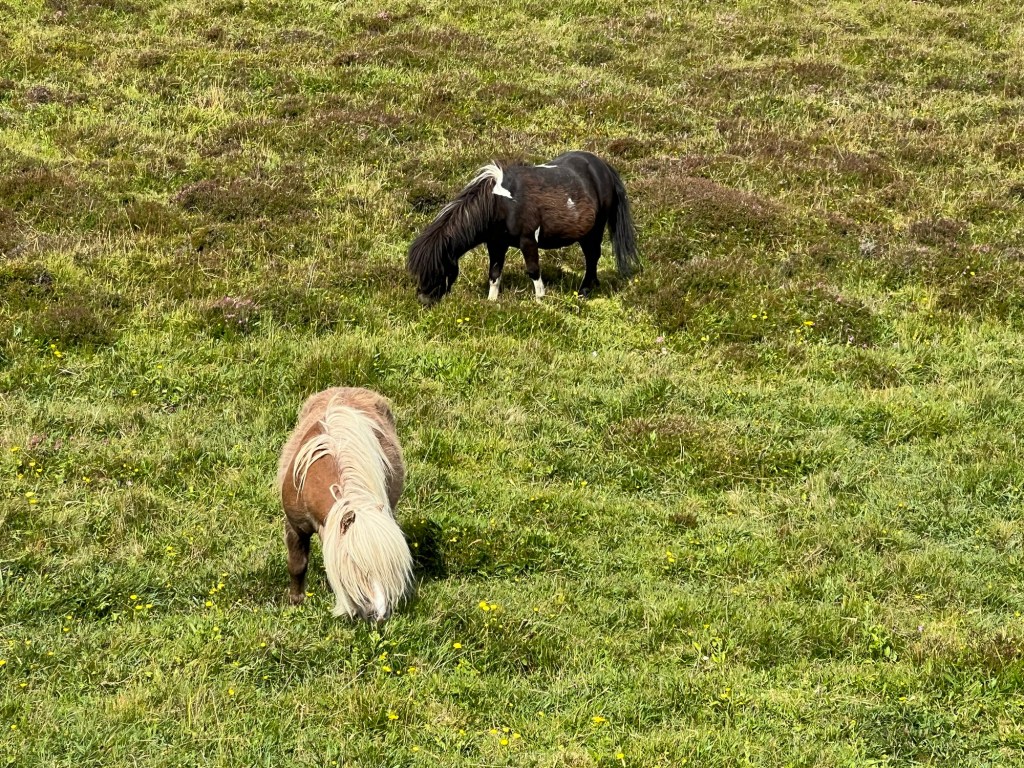
No trip to the Shetland’s would be complete without seeing the Shetland ponies.
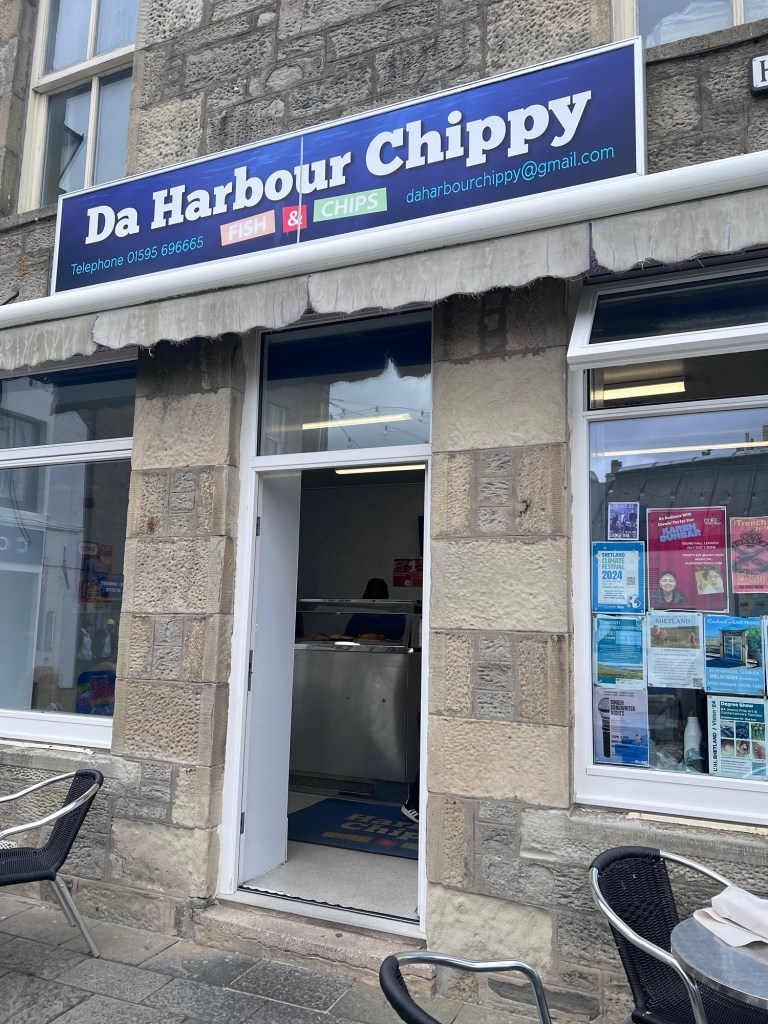
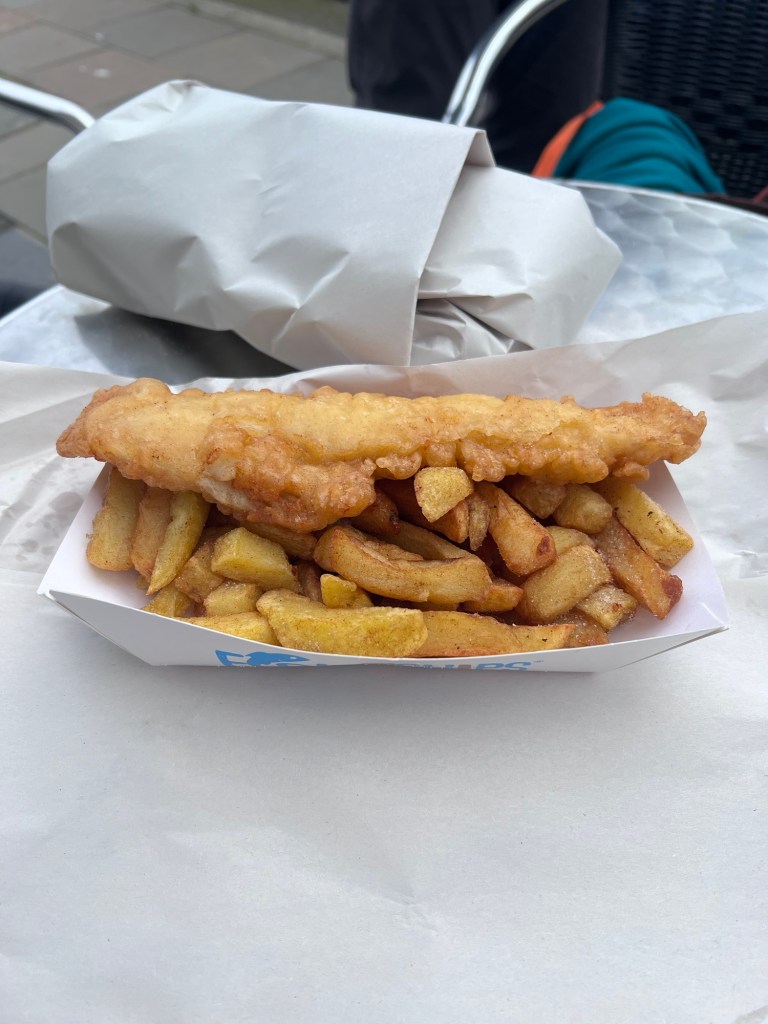
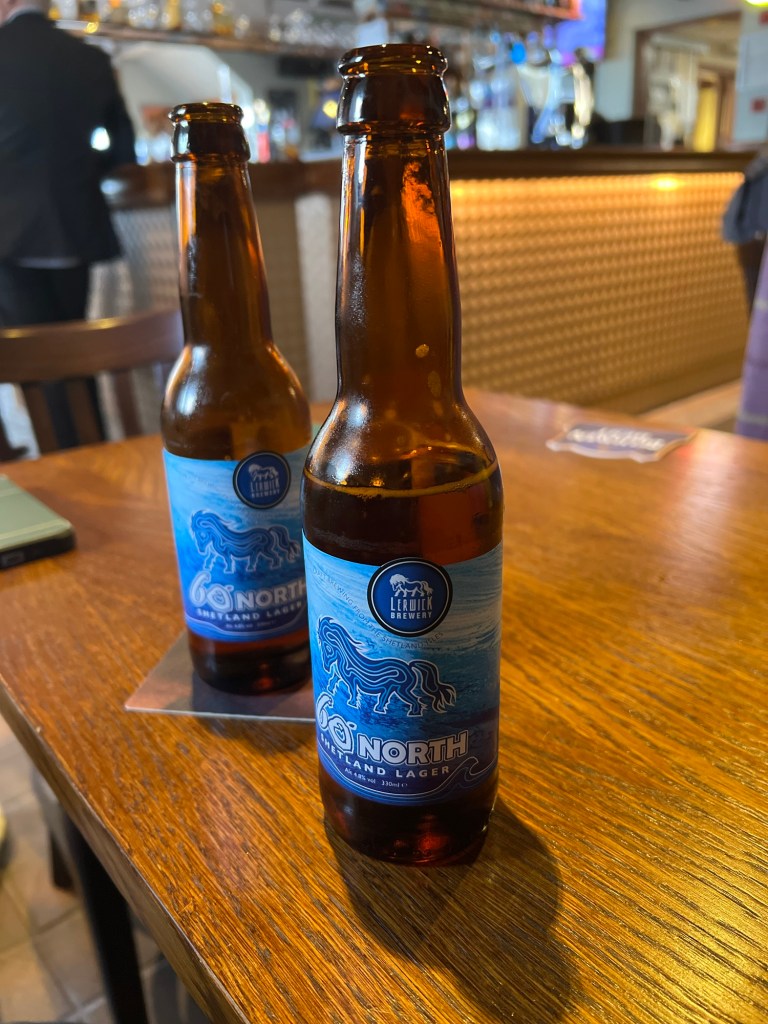
Before making our way back to the ship we stopped for some fish and chips and visited the oldest pub in Lerwick for a local Shetland beer.
All in all, a fabulous day learning about the history and taking in the sites of the Shetlands. If you are ever in the area we couldn’t recommend Grant enough. Having spent his entire life in Shetlands, his knowledge and story-telling were outstanding.
Tomorrow we are headed to the Scottish Highlands in search of the Loch Ness monster and to take in some of the sites of the Outlander series.
 3x5 Adventures
Leave a comment