
Our fourth stop in Scotland brought us to the Orkney Islands – positioned where the North Sea meets Atlantic Ocean. There are 70 islands, 20 of which are inhabited with a total population of 22,000. Orkney has two draws unmatched elsewhere in Scotland: some of the finest Neolithic sites in northern Europe, and a harbor with incredible remnants of both World Wars.
We docked in Kirkwall, a Viking town founded in the 9th century. Initially we had booked a tour with Orkney Trike Tours. What’s a trike you ask? Think of it as a “Big Wheels” for adults. It’s basically a motorcycle with three wheels with a driver and seats in the back for two people. Unfortunately, due to unforeseen circumstances we had to switch to a car. While we were bummed we still got to see some neat sites.
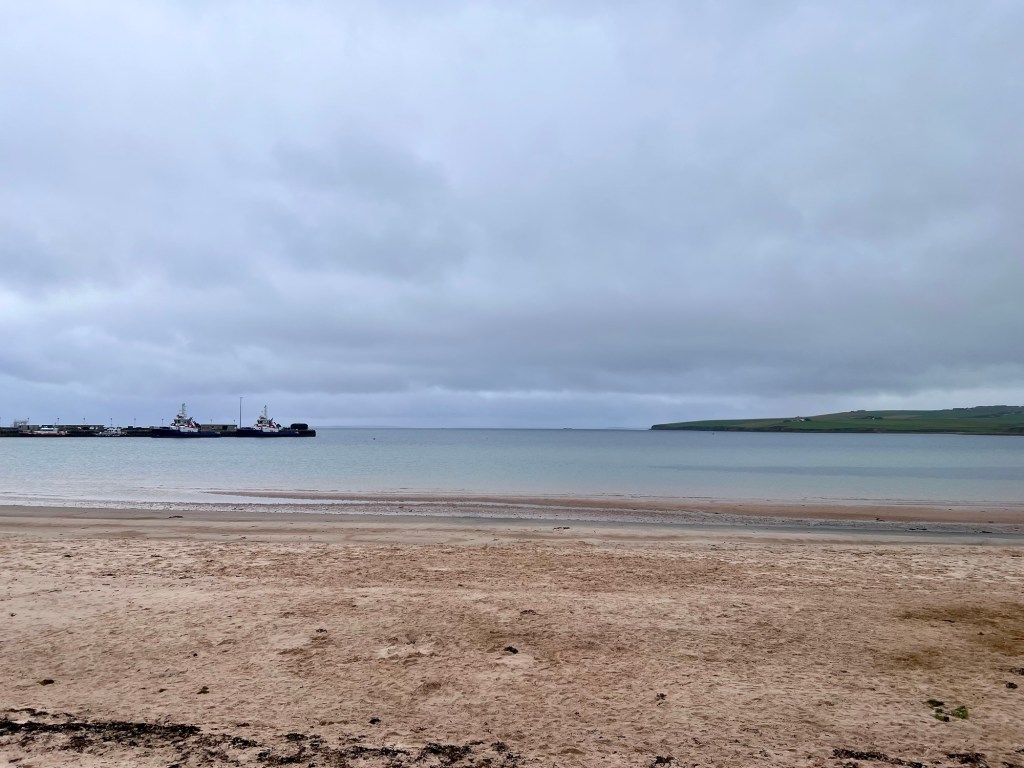
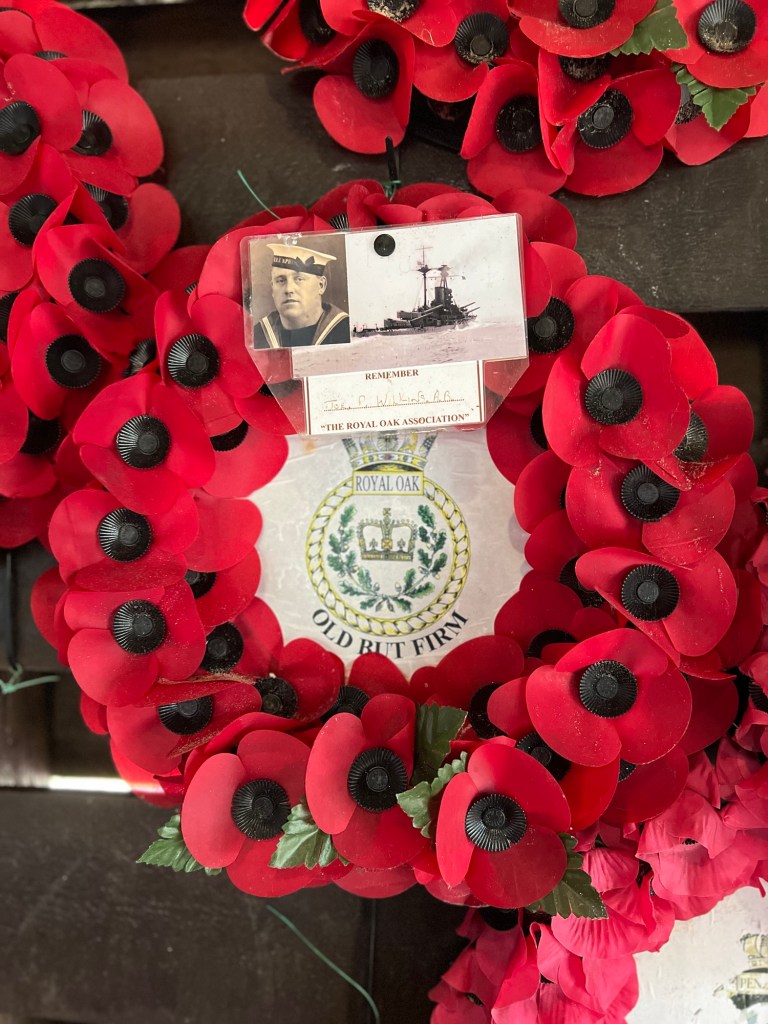
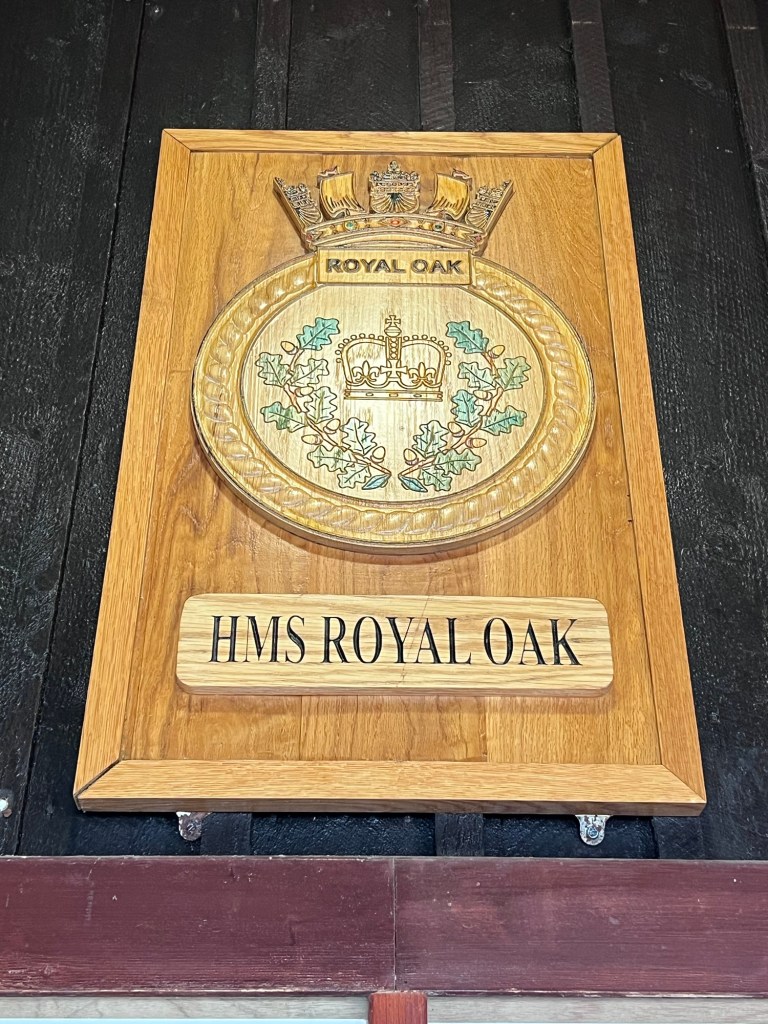
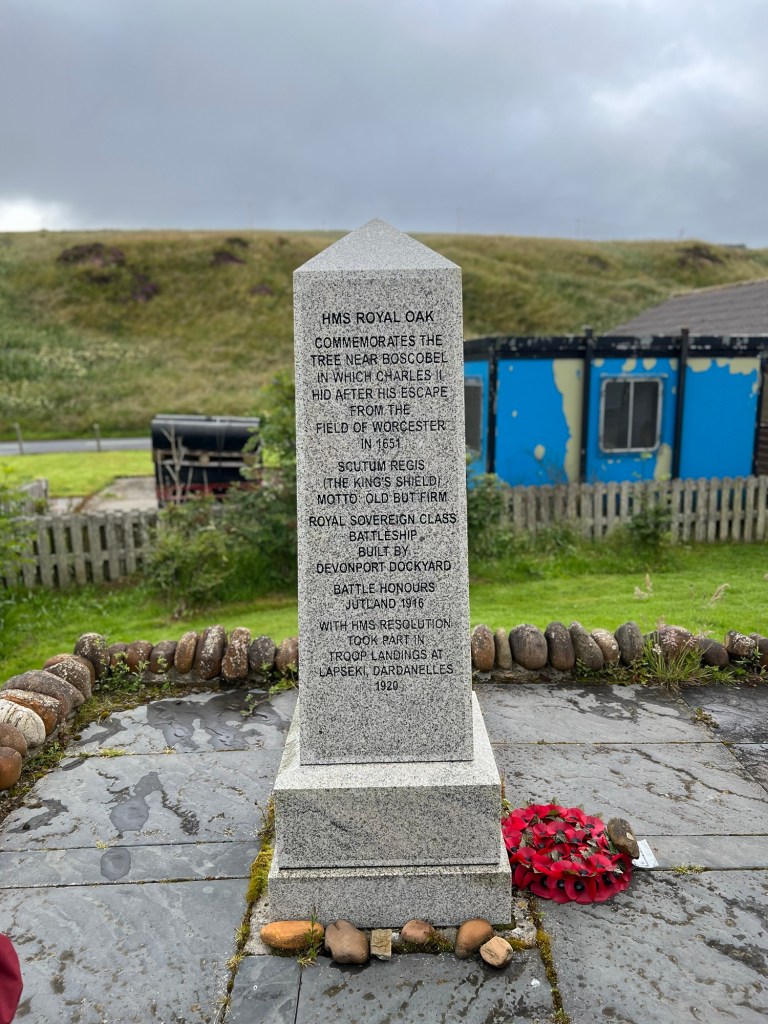
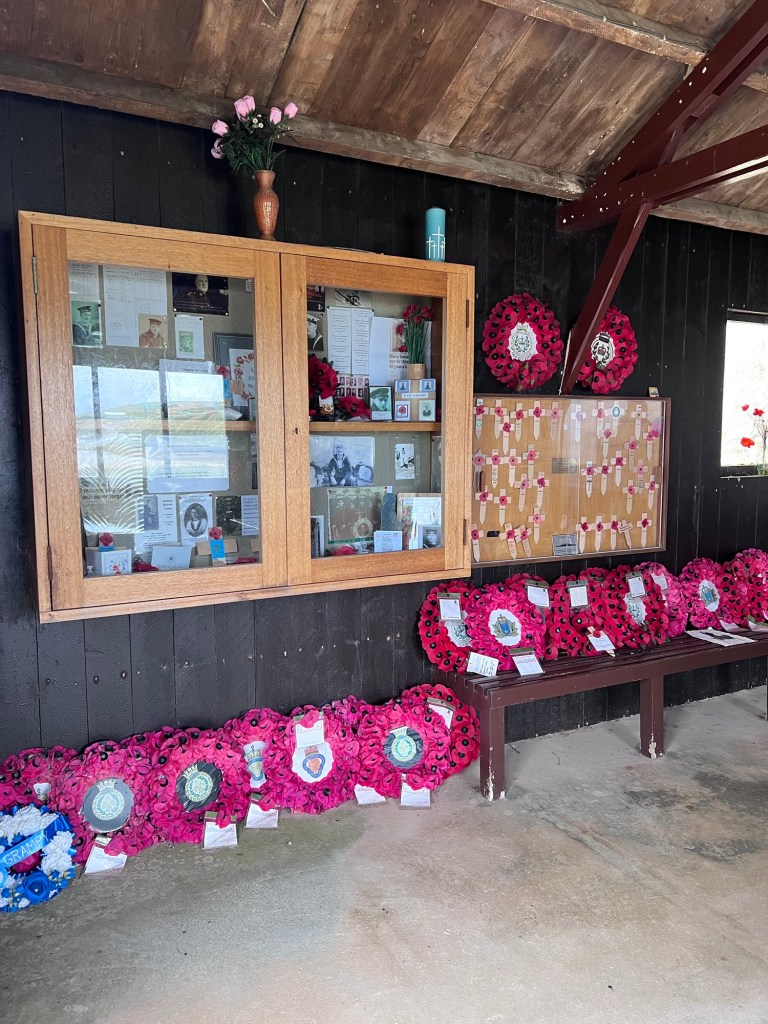
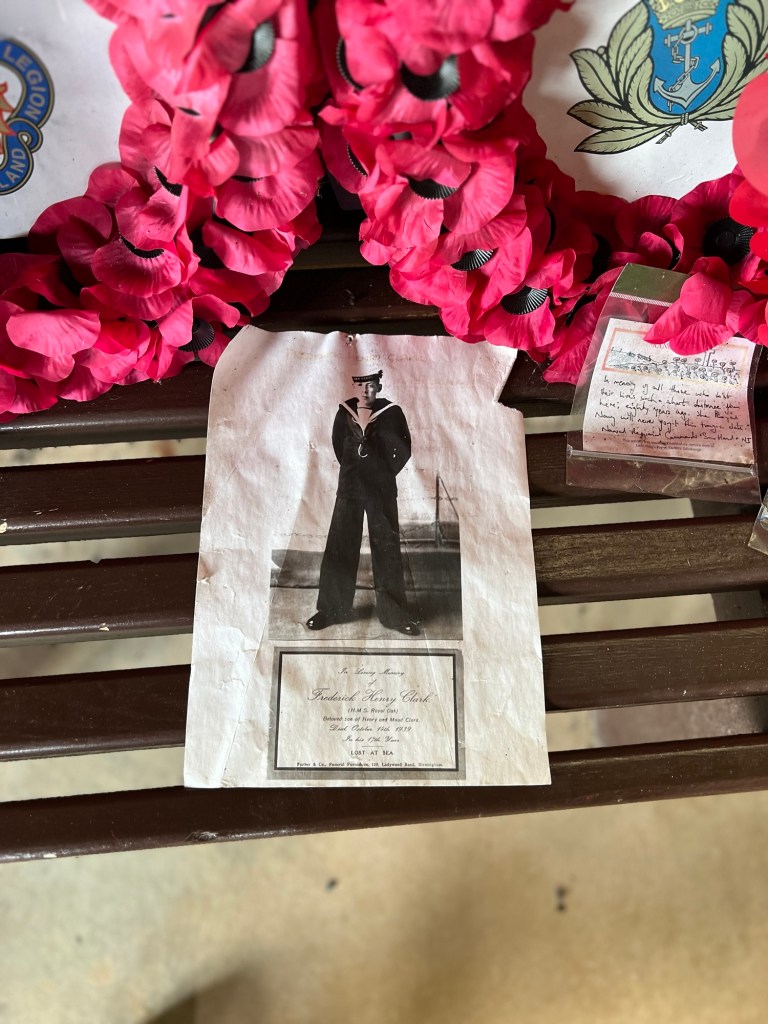
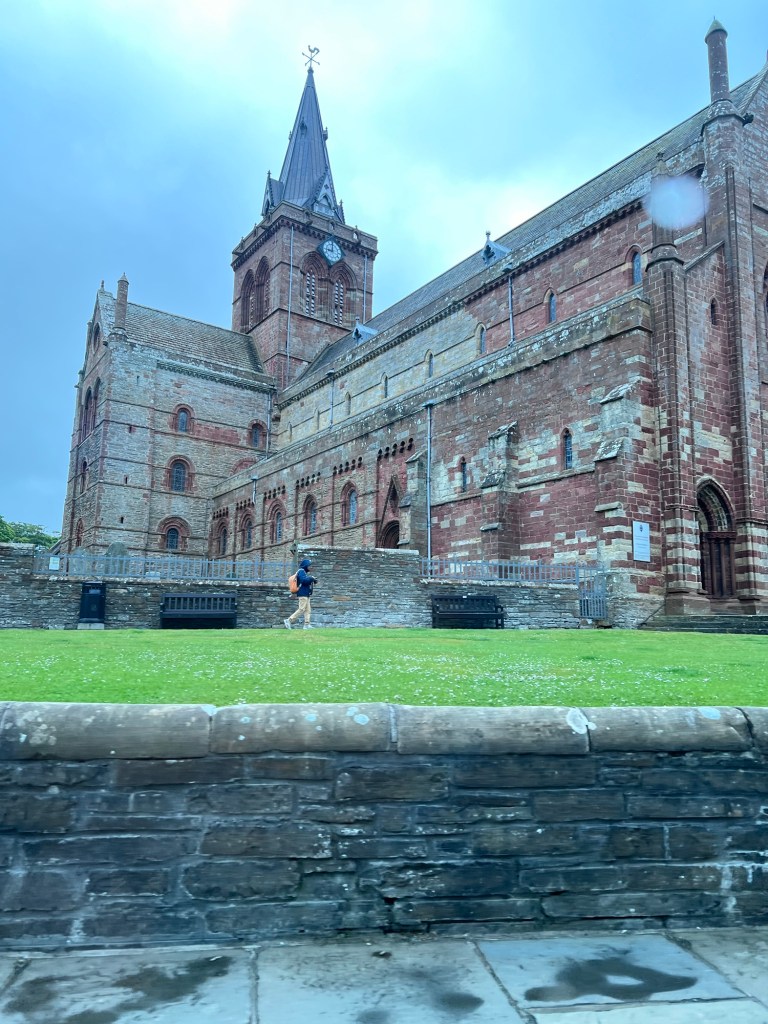
Our first stop was at Scapa Flow, where the Royal Navy housed its fleet of ships during both wars. On October 14, 1939, the HMS Royal Oak was anchored in the bay when it was torpedoed by a German submarine and sunk in just 13 minutes. Of the 1,234 boys and men on the ship that night, 835 perished. There is a nice memorial building there that honors the lost sailors and they took the ship’s bell and put it in St. Magnus Cathedral. Each day there is a sailors’ name honored under it. The Viking-built cathedral dates back to 1167.
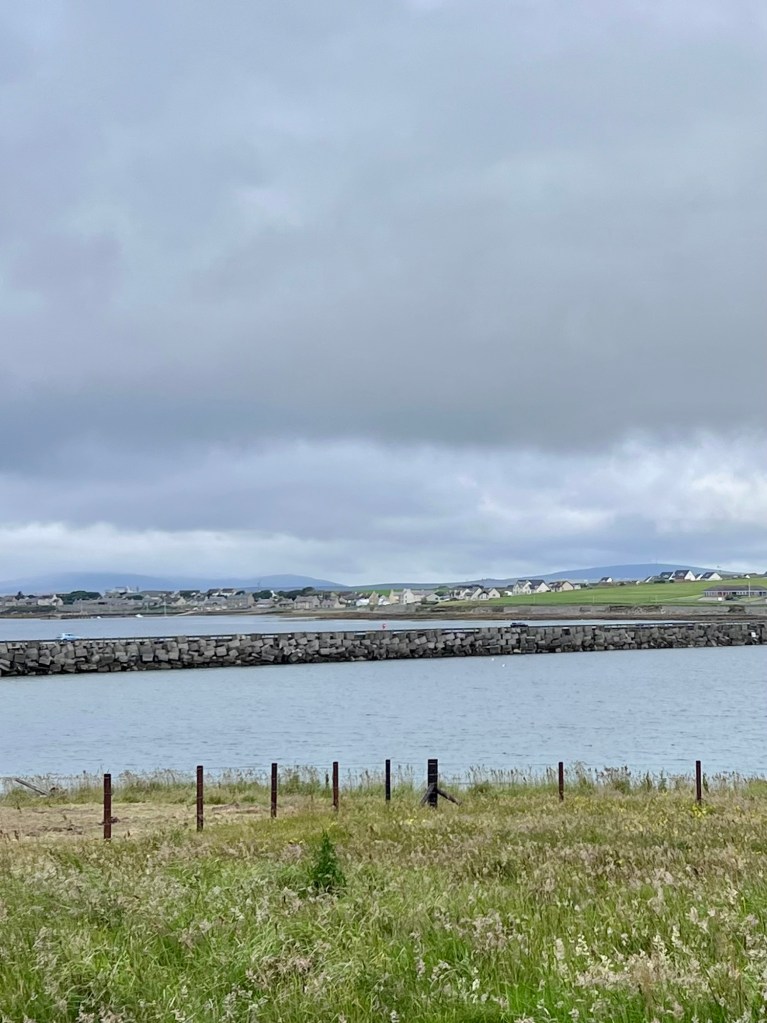
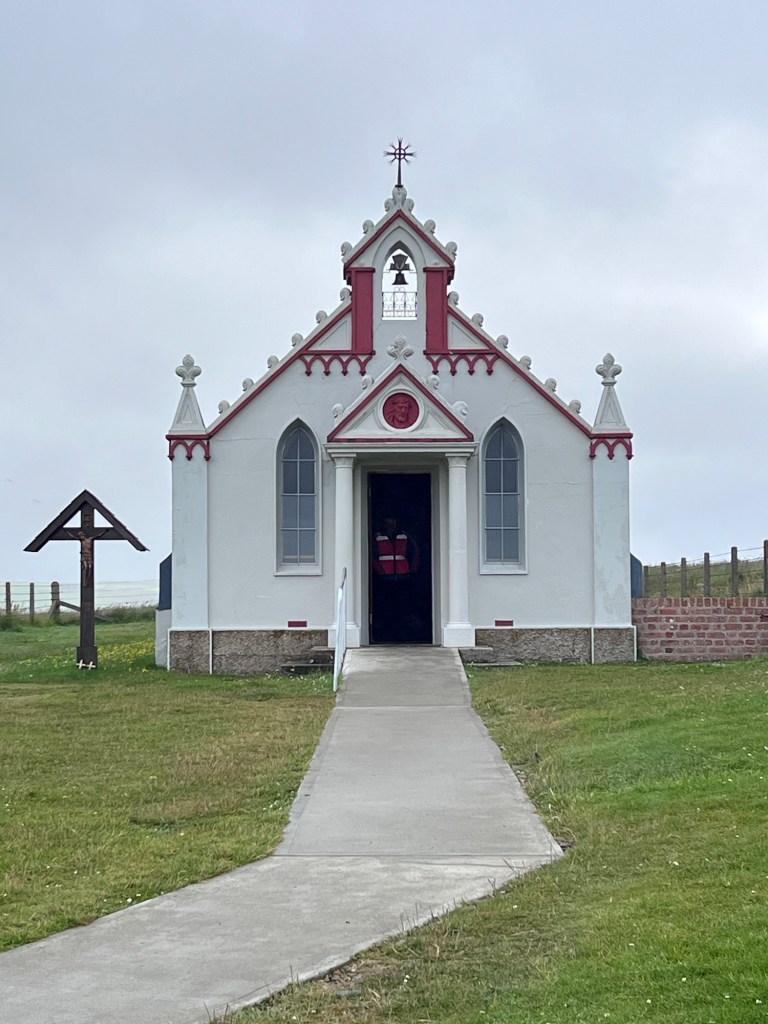
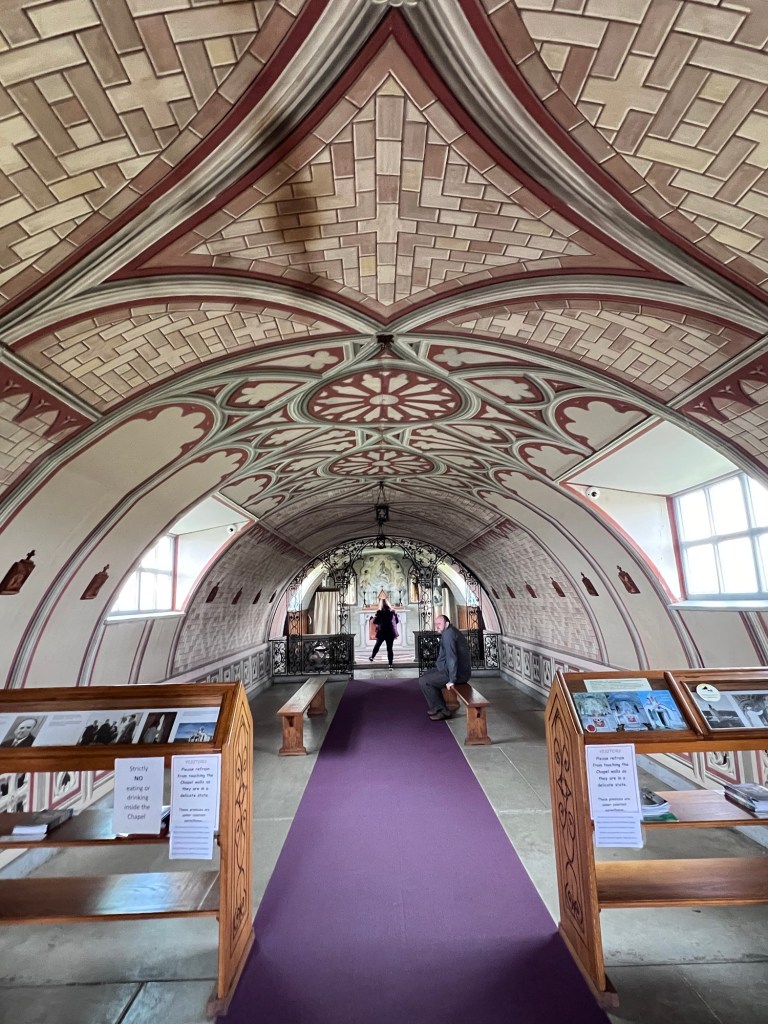
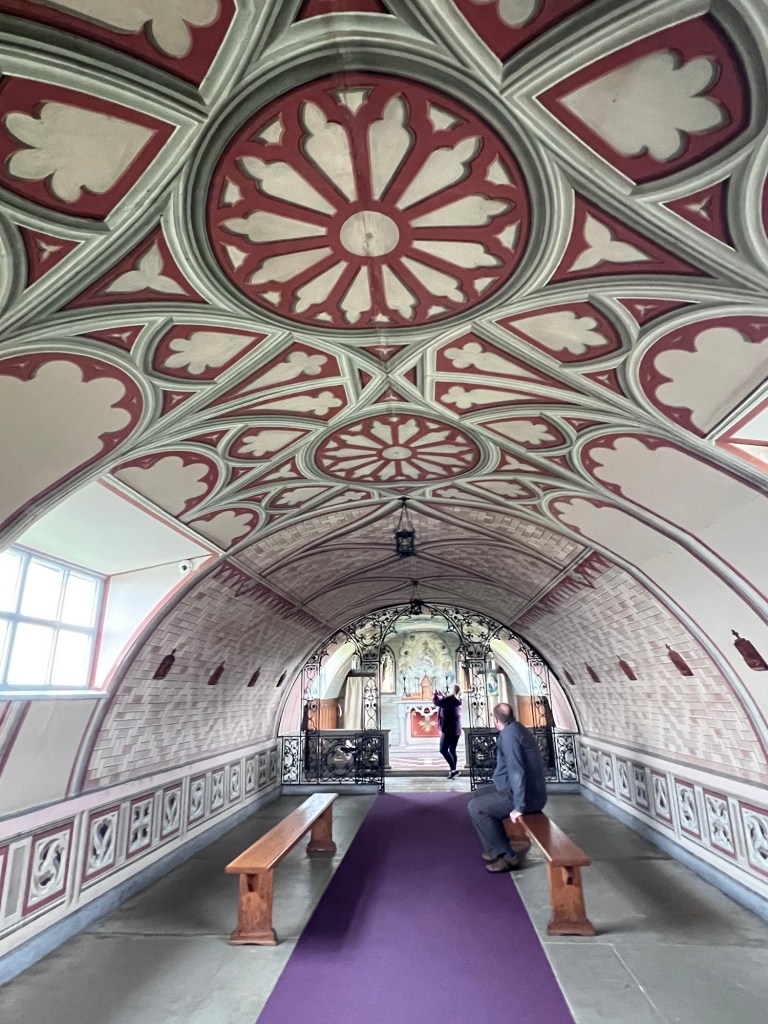
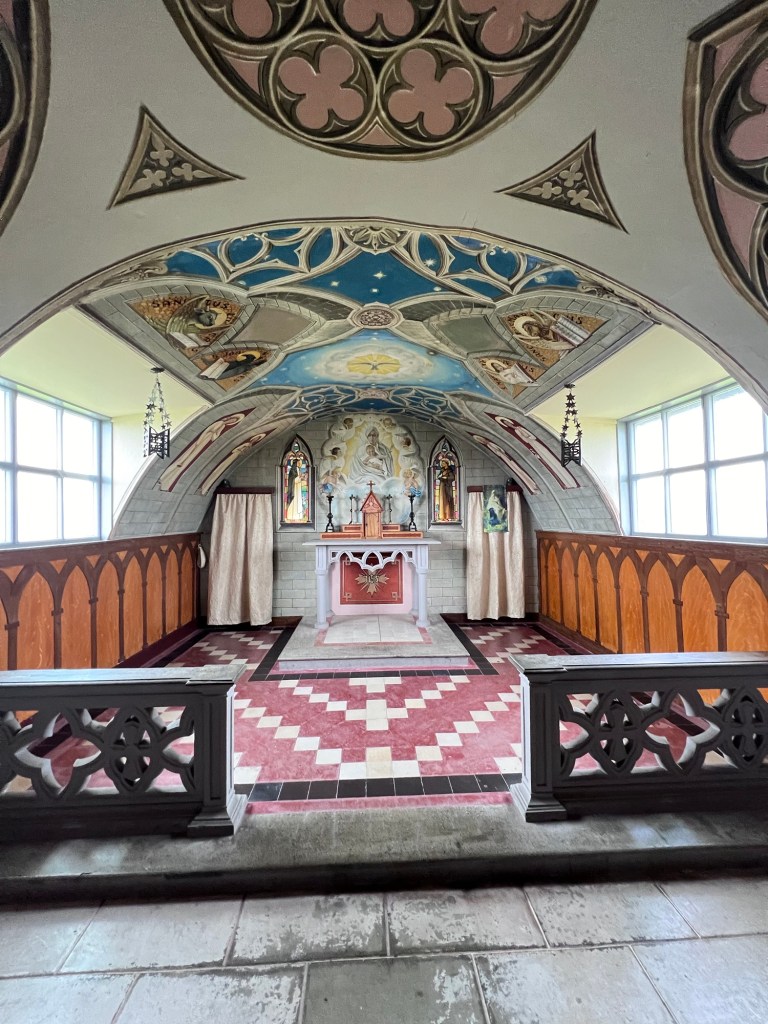
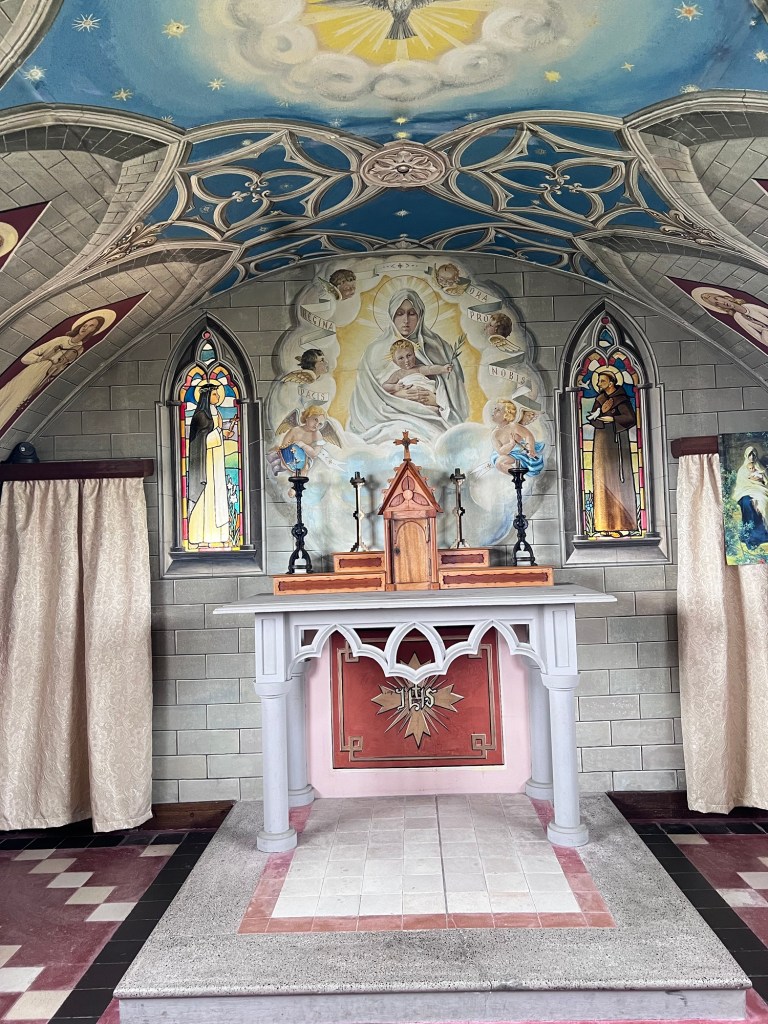
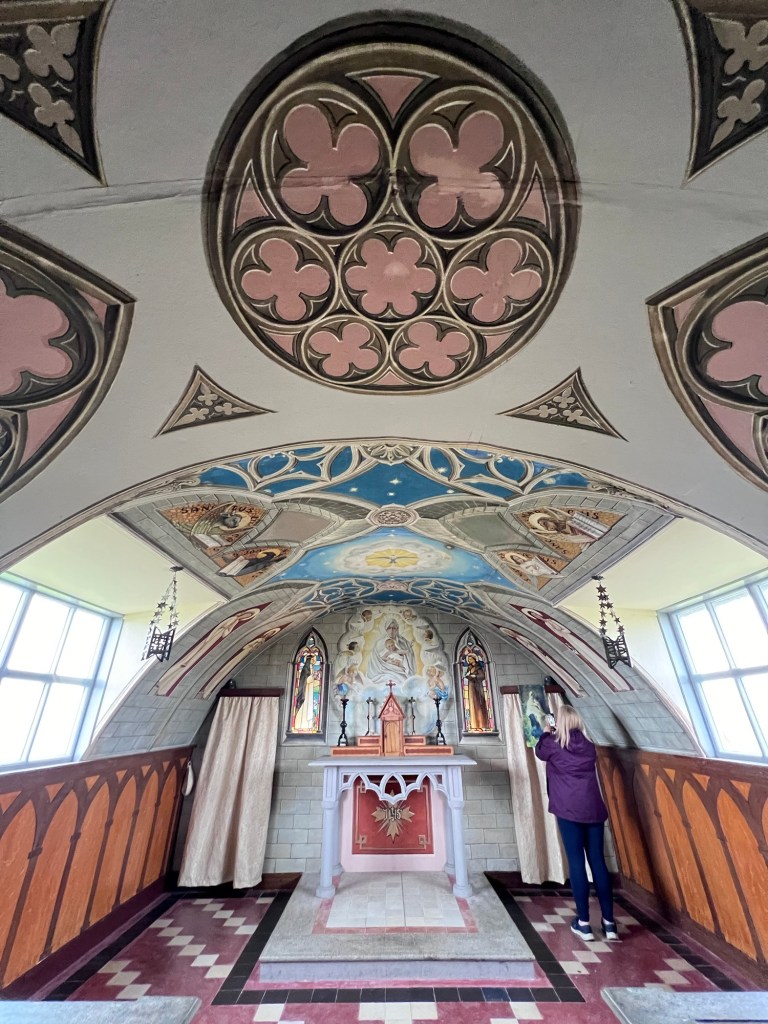
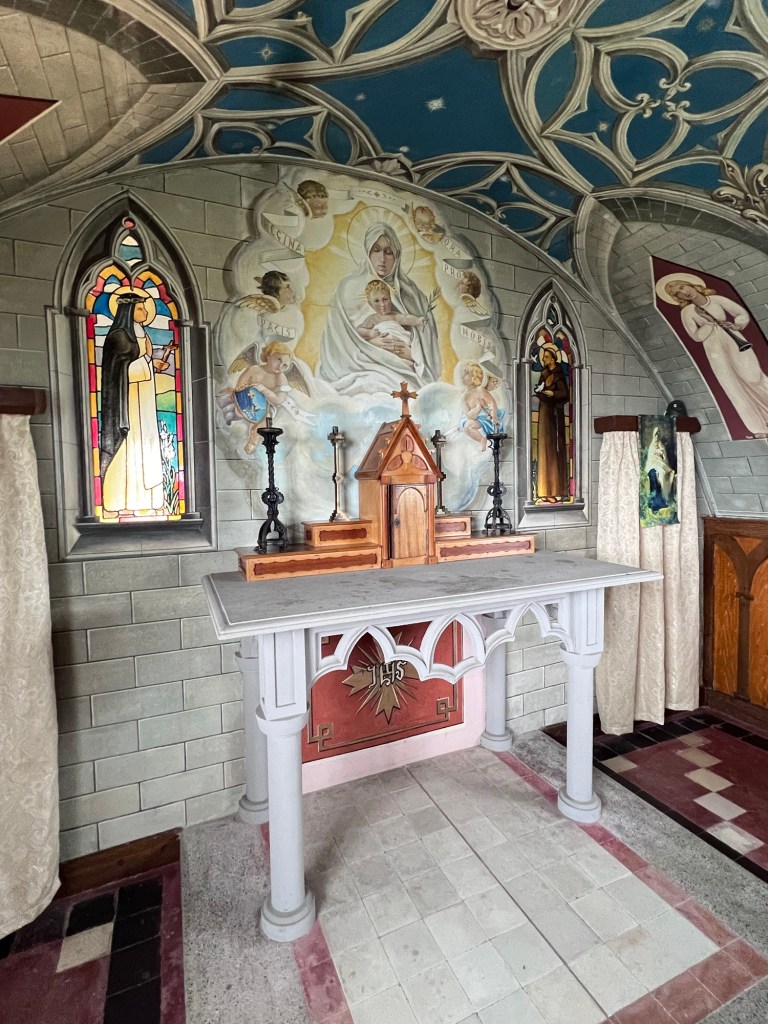
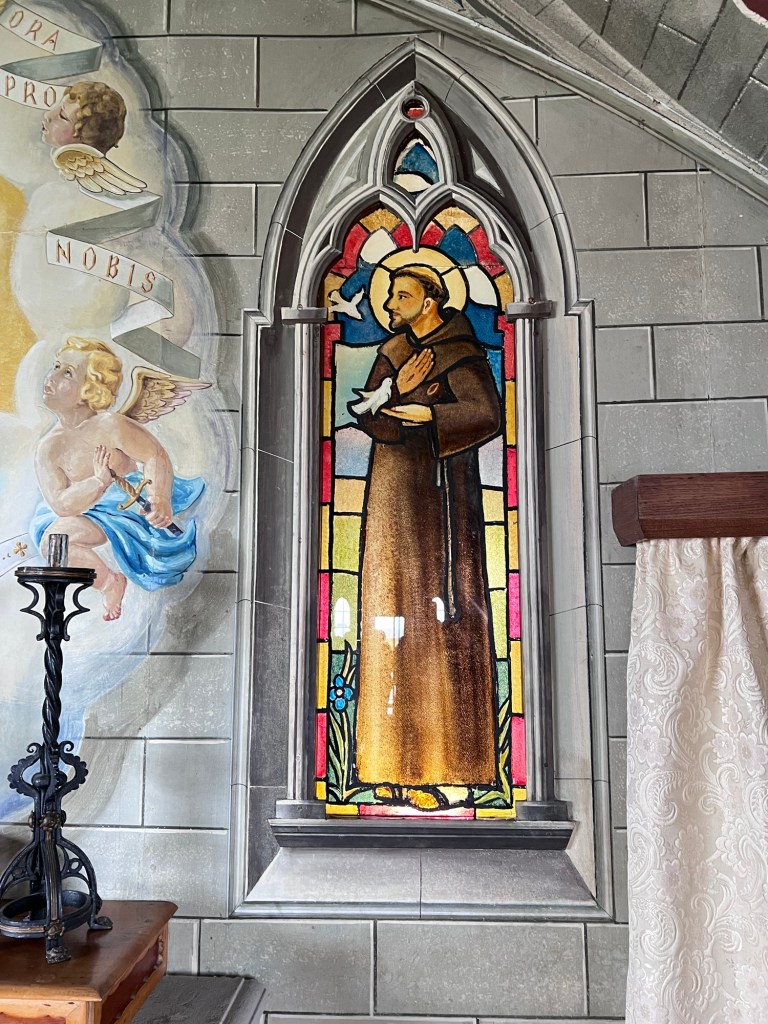
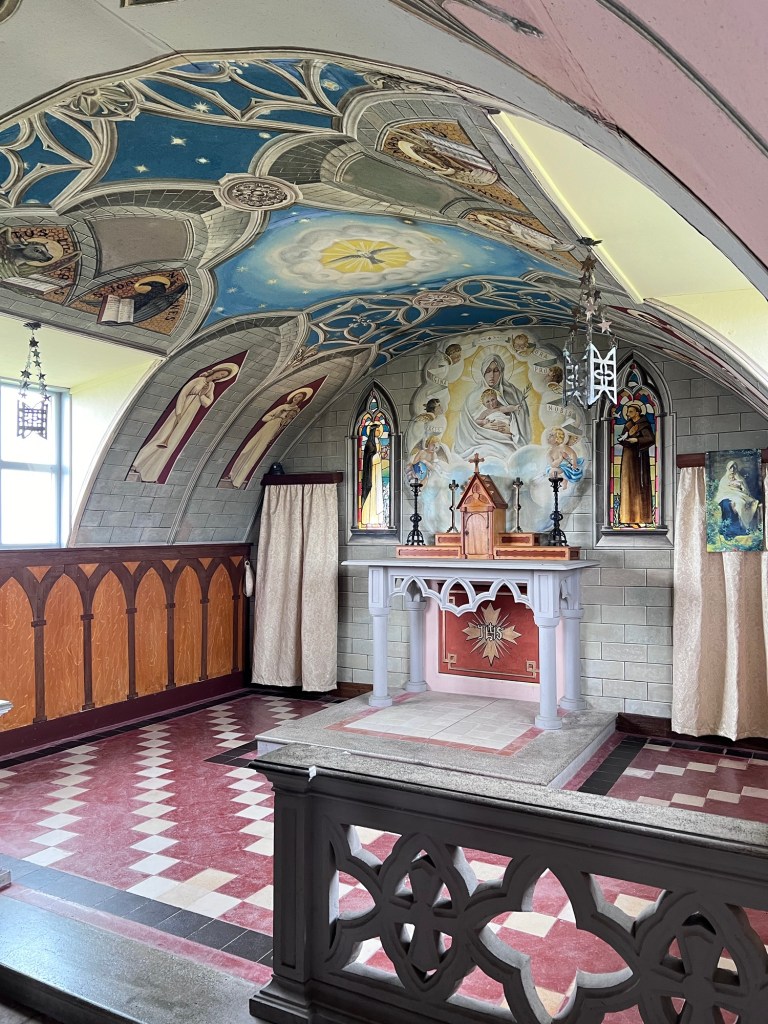
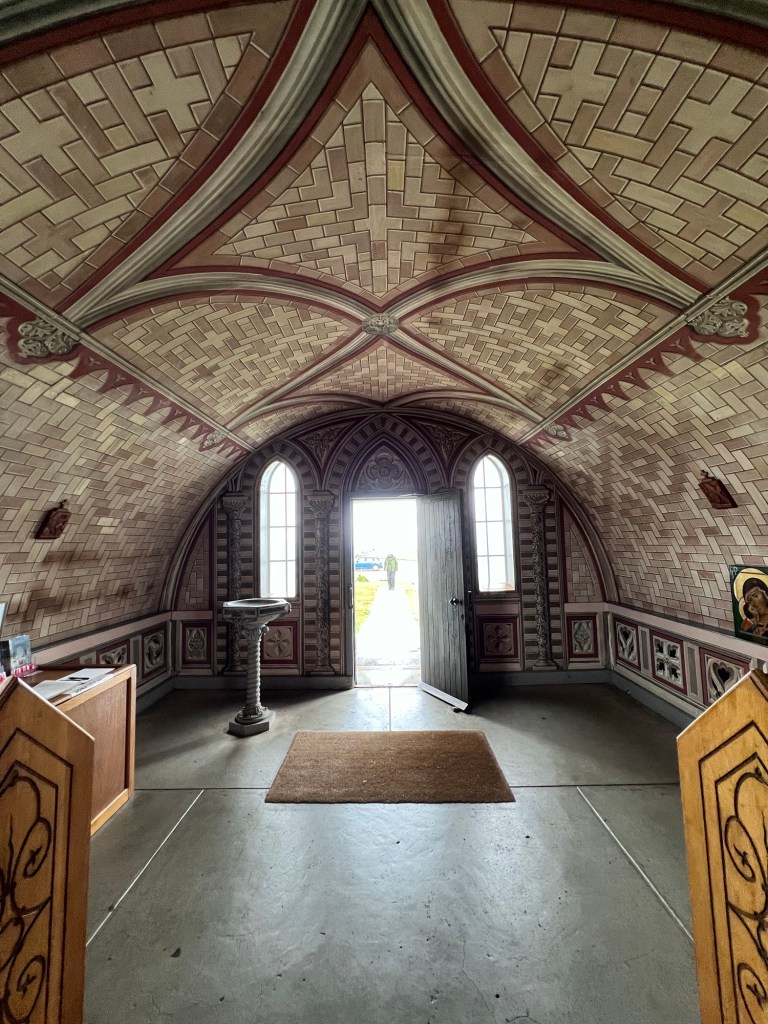
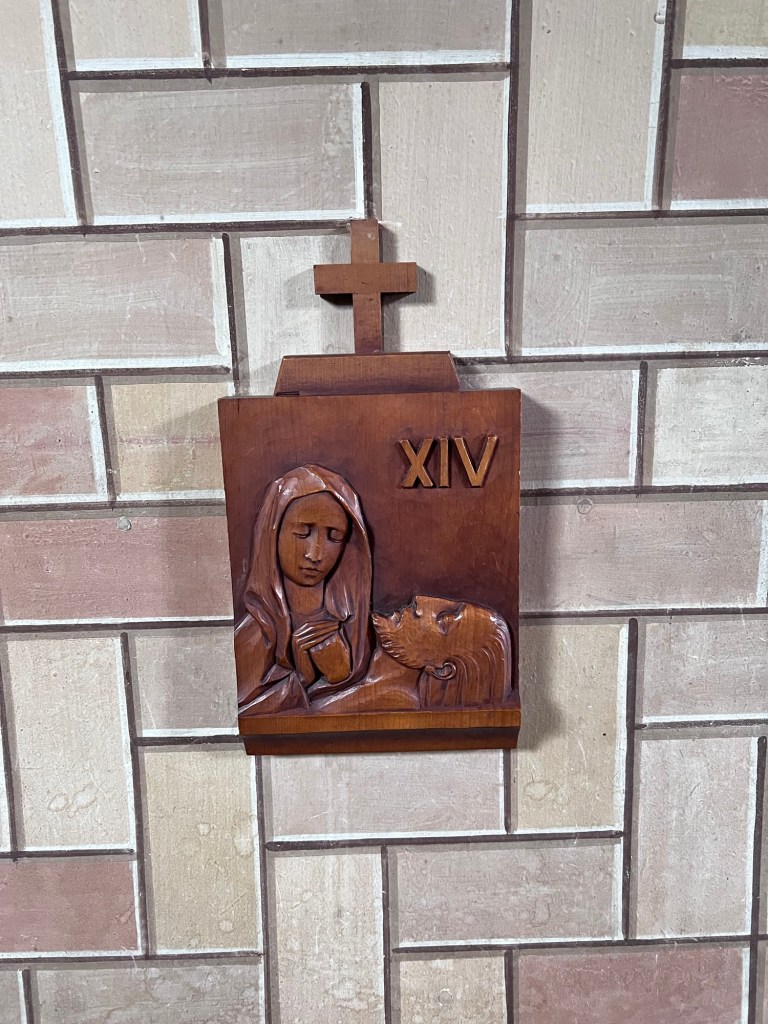
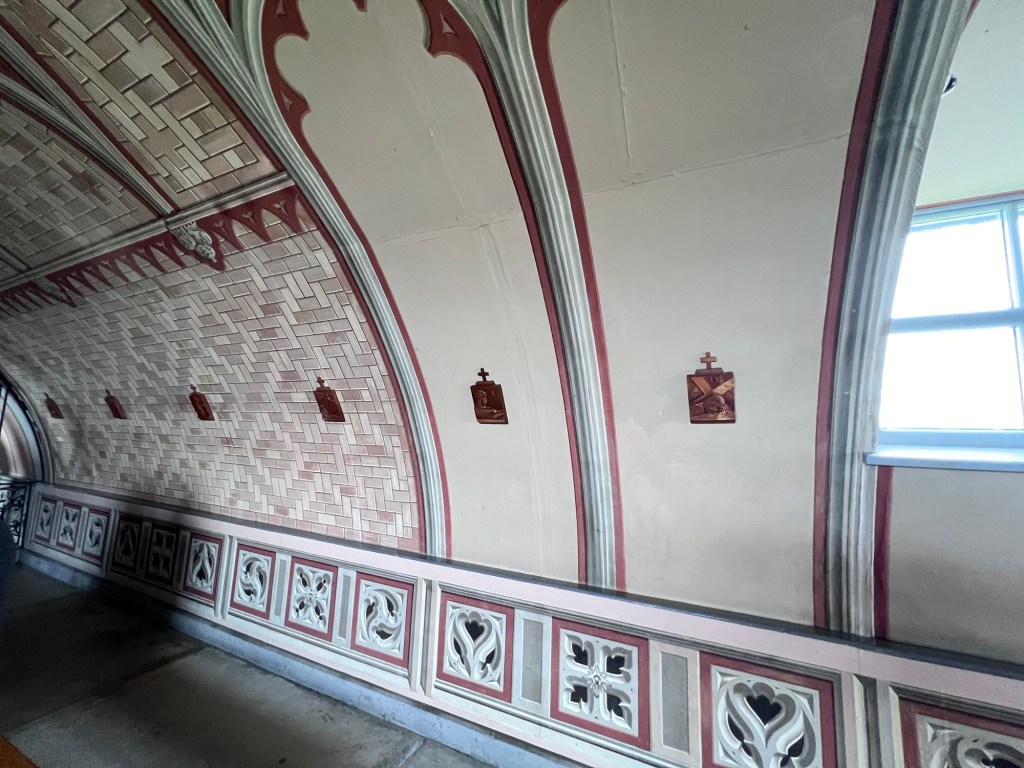
Next up was the Churchill Barriers (built by Italian prisoners). The four barriers were built after the sinking of the Royal Oak and meant to keep German u-boats out of Scapa Flow. Also located in the area is the Italian Chapel, which was built by prisoners and their need to have a place to worship. One of the main painters of the chapel came back for many years before his passing. The navy base became run down after the war, eventually closing in 1957.

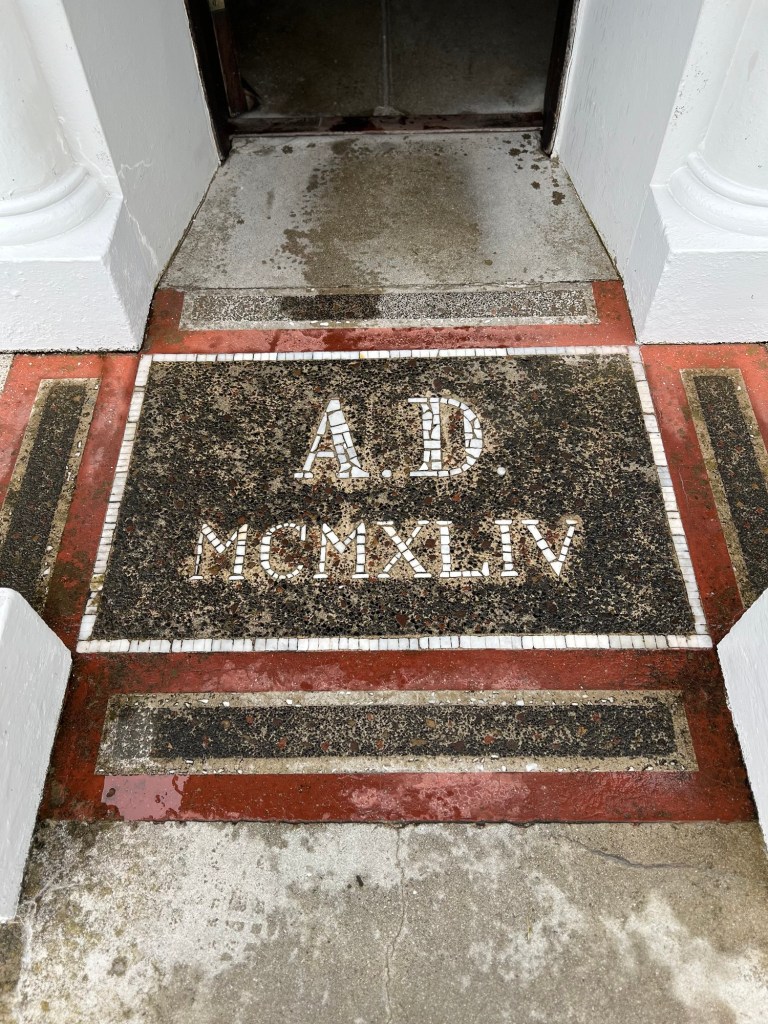
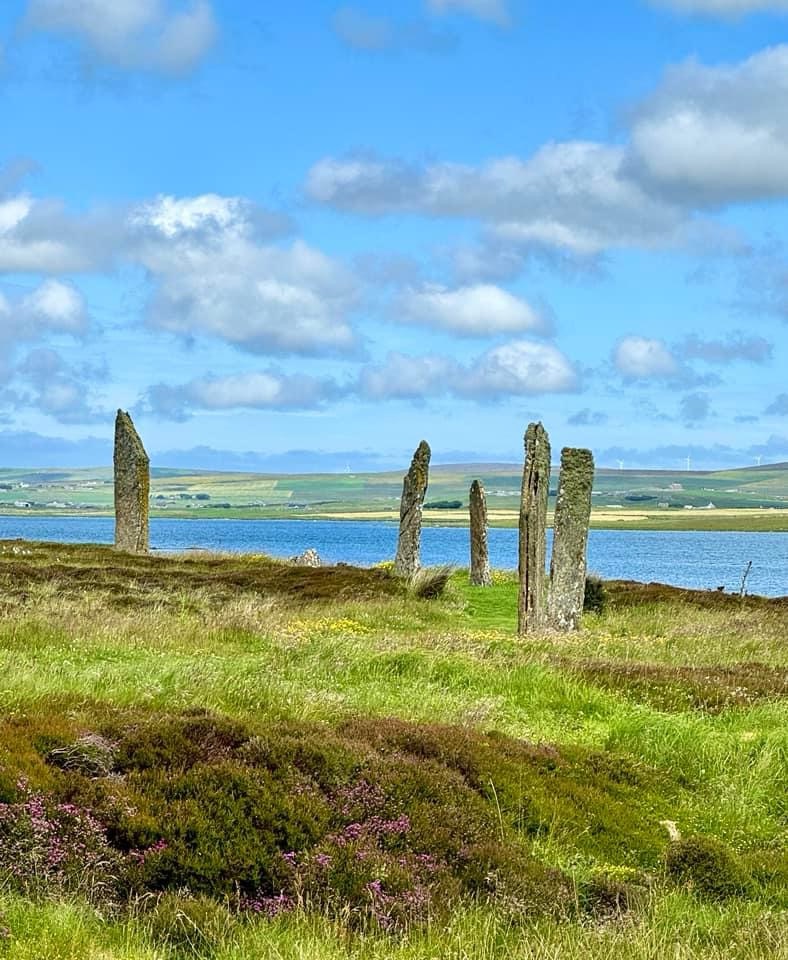
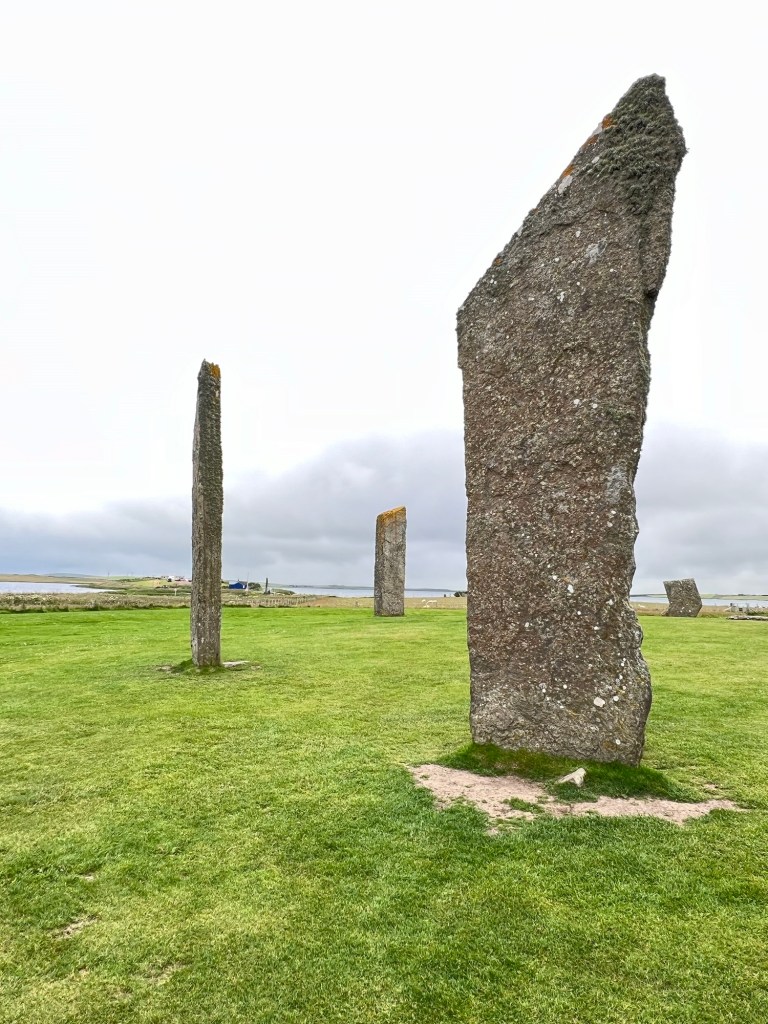
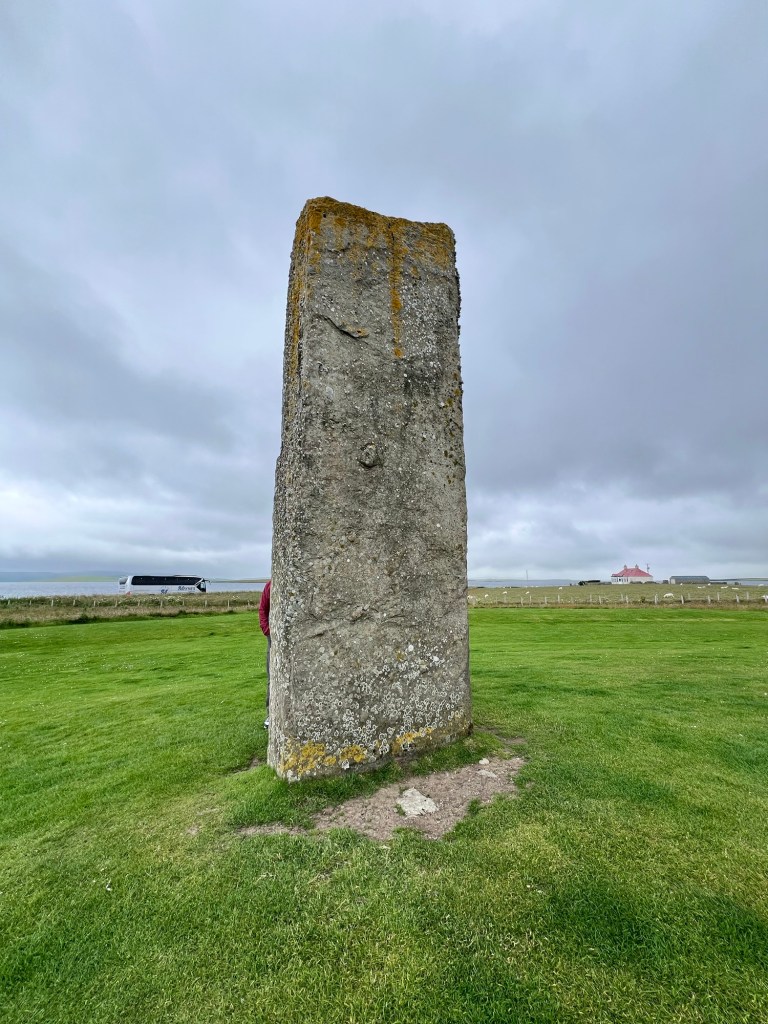
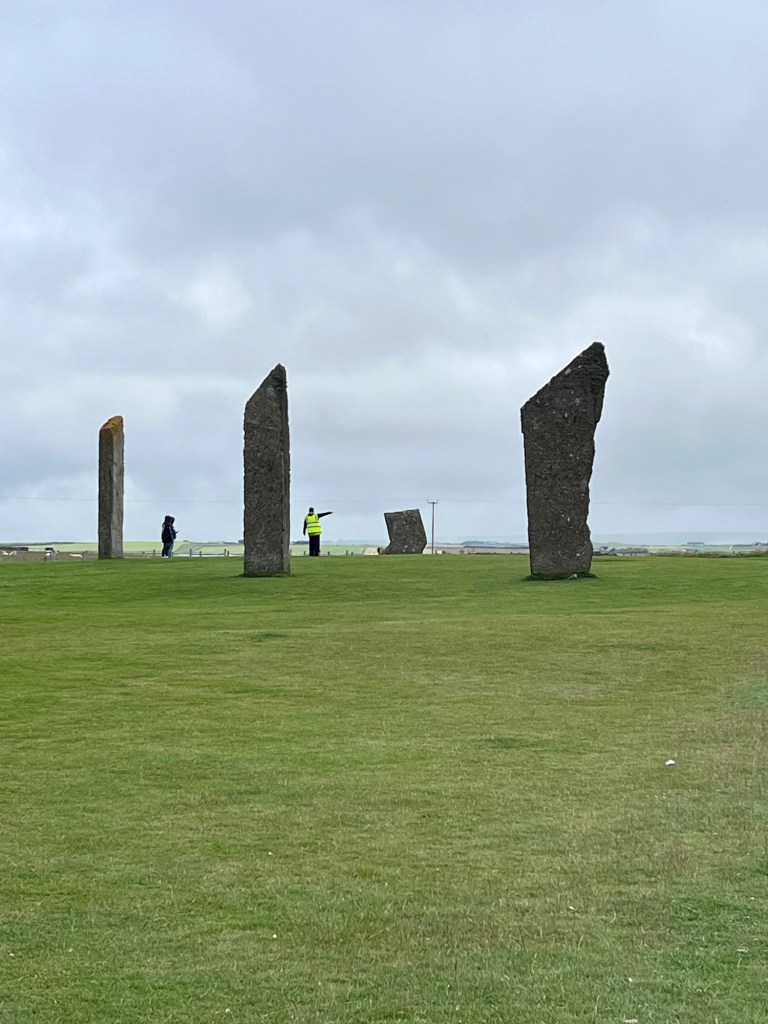
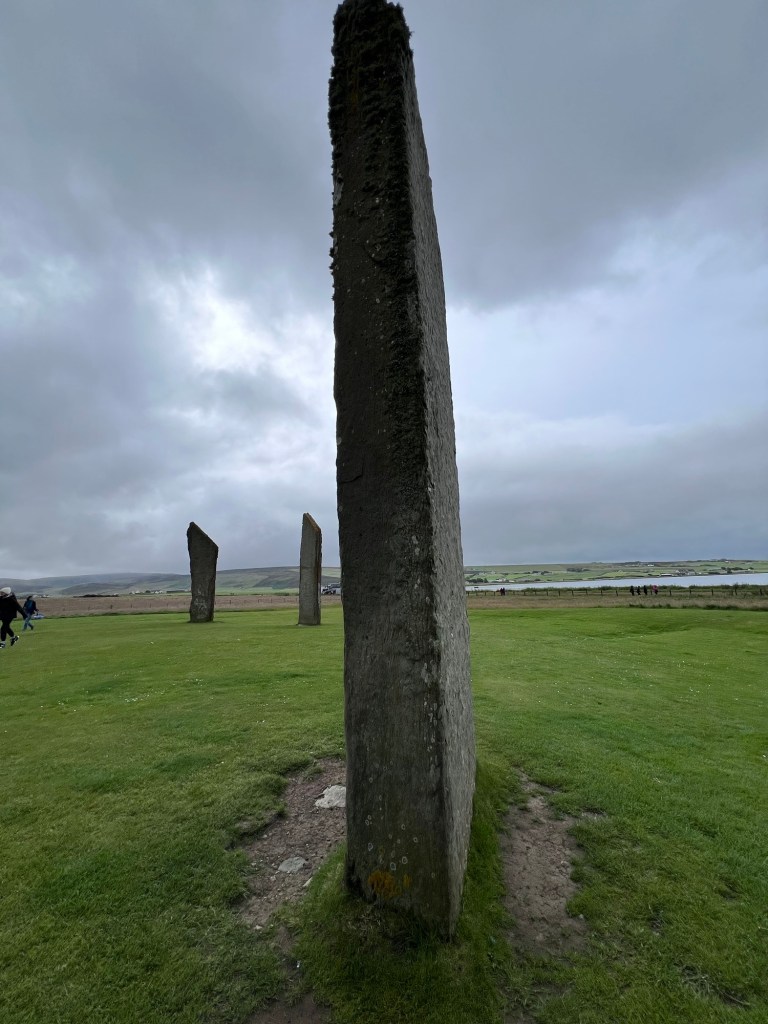
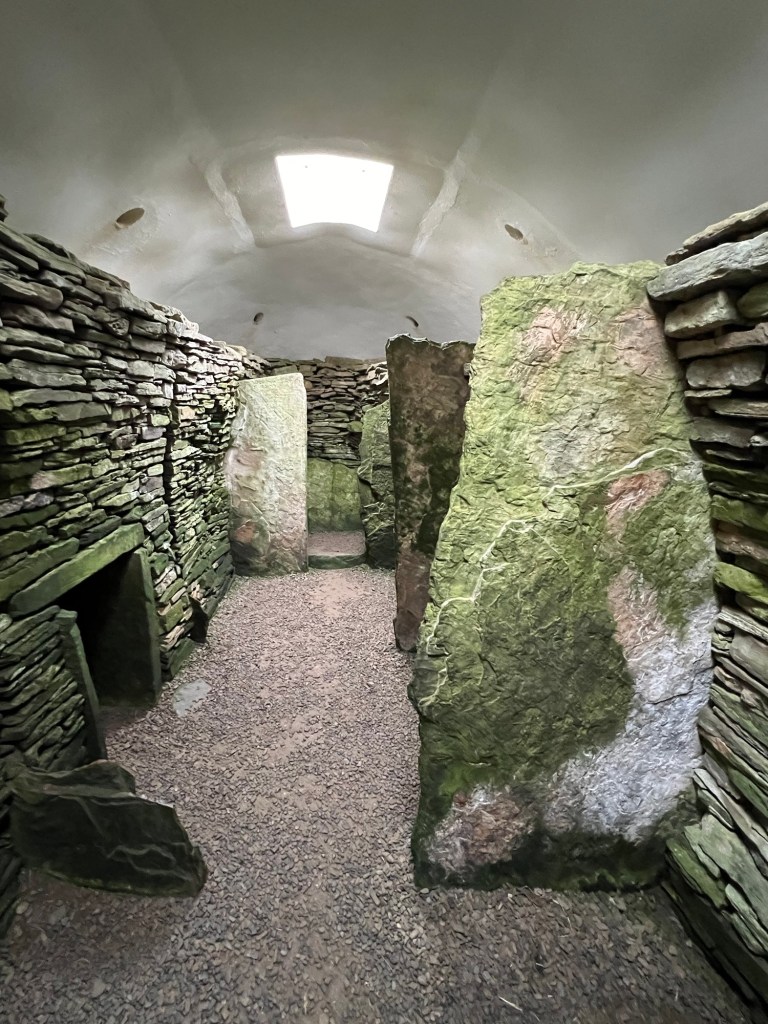
The island has many Neolithic sites to see. One being the Standing Stones of Stennes. These stones were raised over 5,000 years ago. Only four of the 11 stones still stand today. Close by was the Unstan Cairn with chambers still intact.
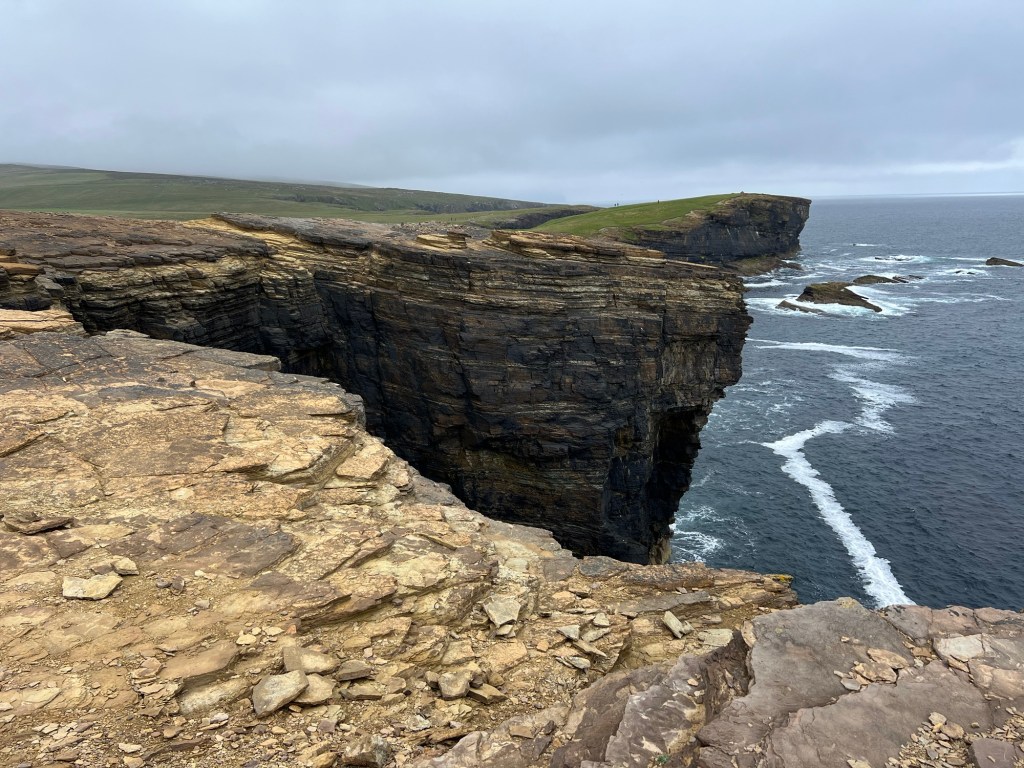
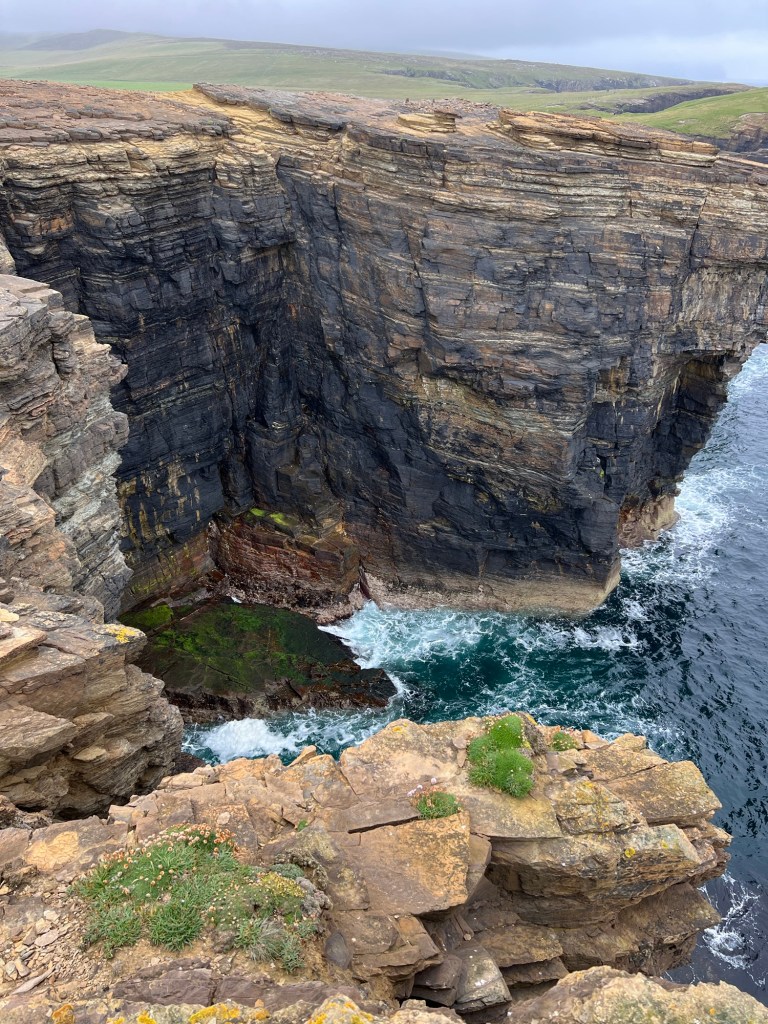
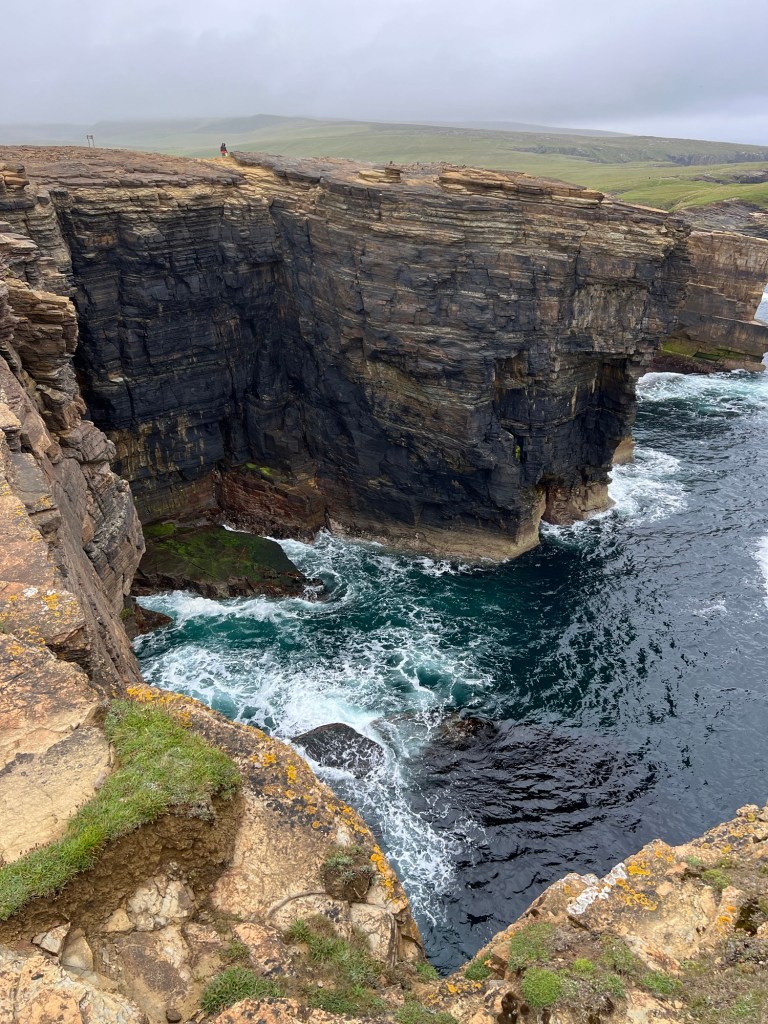
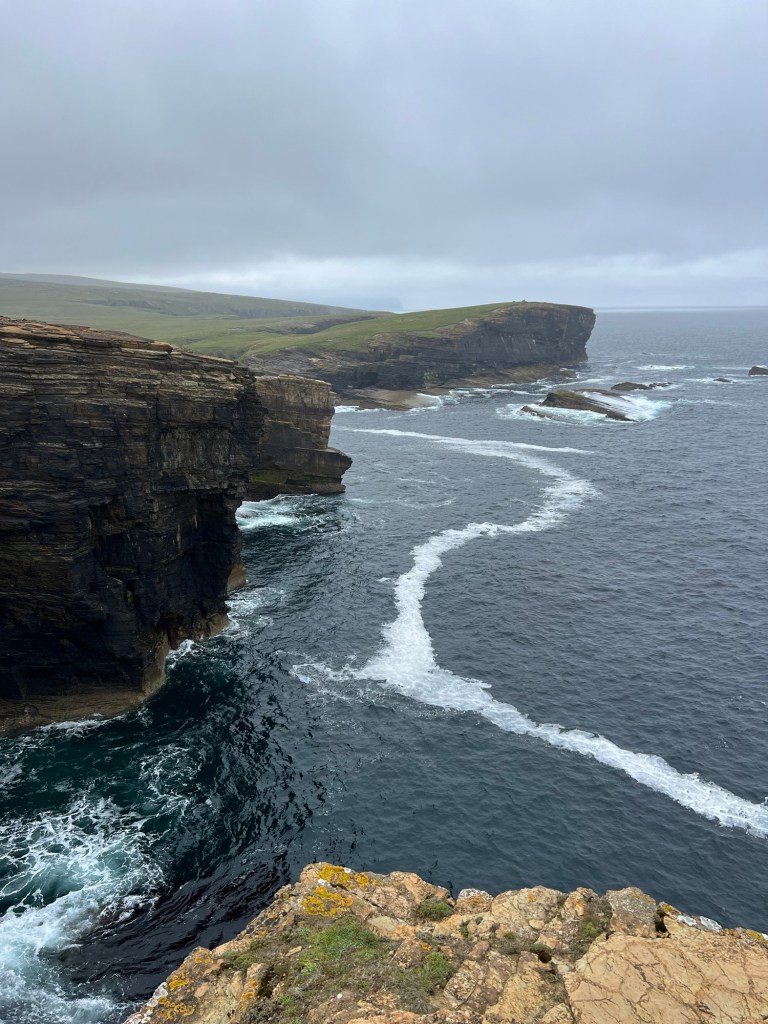
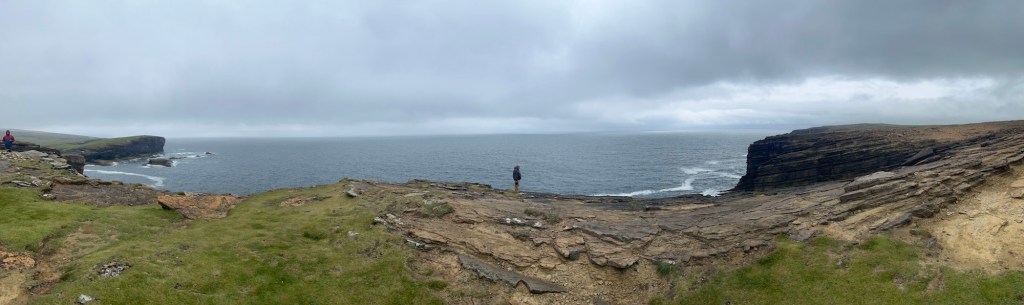
Lastly, and the best part of the day, was the Yesnaby Coastline. It has a superb array of costal landforms, such as cliffs, stacks and arches.
Before heading back to port we stopped for lunch at the Orkney Brewing Company where we tried a flight of local beers and some fish and chips. Before getting back on the ship we took a quick down the main street of town to check out some of the local shops.
Out of the three tours we’ve taken so far we’d have to say this one was a little lackluster compared to the other two. Think part of that is because we were so excited about the trike tour and when it didn’t happen we were really disappointed and never really recovered.
The area itself has a ton of history old and new and is definitely worth a visit if you’re in Northern Scotland.
 3x5 Adventures
Leave a comment